Finding a Qualified Contractor
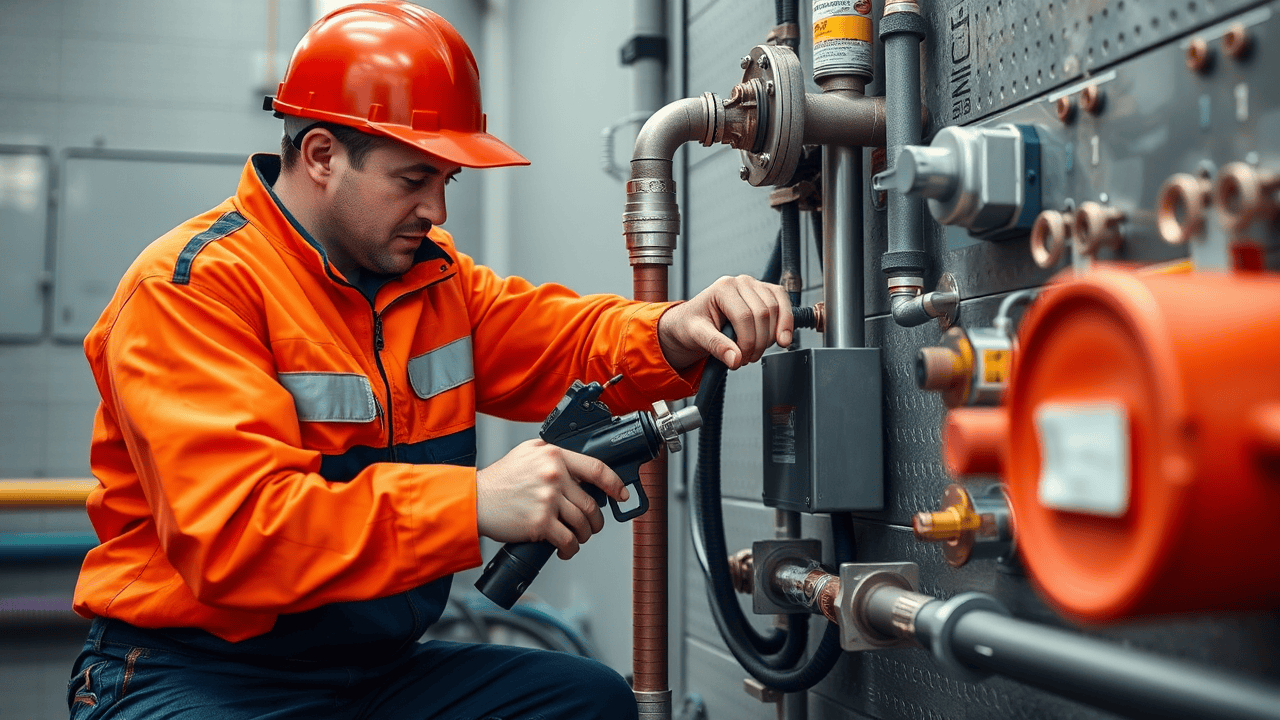
Running a gas line to your house requires a skilled professional who can ensure the job is done safely and according to local codes. Start your search by looking for contractors who specialize in gas line installation and repair. Check their credentials, including licenses and insurance, to confirm they are qualified for the task. Reading online reviews and asking for recommendations from friends or family can also help you find reputable contractors in your area.
Once you have a list of potential candidates, consider consulting with them about your specific needs. Request estimates to get an idea of the costs involved and the timeframe for completion. Pay attention to how well they communicate and whether they take the time to address your questions. A contractor’s willingness to explain the process can be a good indicator of their expertise and reliability in handling gas line installation and repair.
Tips for Hiring a Gas Line Professional
When seeking a qualified contractor for gas line installation and repair, it's essential to check their credentials. Look for licenses and certifications that confirm their expertise in handling gas lines. A reputable contractor should also carry liability insurance, protecting you from potential damages during the installation process. Gathering recommendations from friends or online reviews can provide insight into their reliability and quality of service.
Interview potential professionals to discuss your specific project needs. Ask about their experience with similar installation and repair tasks. Request written estimates that detail costs, materials, and timelines. Clear communication will help establish expectations and ensure that you feel comfortable with the contractor you choose. Prioritize those who are willing to answer your questions and address any concerns you might have about the gas line installation and repair process.
Safety Precautions
When embarking on gas line installation and repair, prioritizing safety is essential. Proper ventilation in the work area can prevent the accumulation of dangerous gases. Always ensure that you have the right tools and materials for the job. Familiarize yourself with local building codes and regulations, as compliance is crucial. Having a fire extinguisher on hand can offer peace of mind.
Before beginning any work, turning off the gas supply is vital. Testing for leaks with a soap solution can help identify potential problem areas. Using protective gear, such as gloves and safety goggles, is important to minimize personal injury during installation. Being aware of your surroundings and following established safety protocols can significantly reduce risks associated with gas line work.
Ensuring Safe Practices During Installation
Ensuring safe practices during installation requires strict adherence to local regulations and codes. These guidelines help minimize risks associated with gas line installation and repair. It is essential to work with qualified professionals who have the necessary experience to handle the specific demands of this type of work. Proper permits should be obtained to ensure compliance with safety standards.
During the installation process, it is vital to use high-quality materials designed for gas applications. Inspect all components, including pipes and fittings, before installation to confirm they are free from defects. Adequate ventilation in the work area can help prevent the build-up of gas fumes, further enhancing safety. A thorough understanding of the installation site is critical, particularly in avoiding existing electrical lines or plumbing that could pose hazards.
Installation Process
The installation of a gas line requires careful planning and adherence to local codes and regulations. First, a thorough assessment of your property is necessary to determine the best route for the gas line. Factors such as existing structures, landscaping, and underground utilities must be considered to avoid any complications during installation. Once a route is selected, a qualified contractor will mark the area and obtain the necessary permits.
Gas line installation and repair involves several critical steps. After securing the permits, the contractor will dig trenches to lay the pipes securely underground. The pipes must be properly connected to ensure a tight seal, as leaks can pose serious hazards. After installation, a pressure test is typically performed to verify the integrity of the system. This step is crucial to ensure everything is functioning safely and as intended before service is restored.
StepbyStep Guide to Running a Gas Line
When planning to run a gas line to your house, start by determining the route the line will take. This involves identifying the appropriate starting point near the gas meter and assessing any obstacles such as landscaping features or existing structures. Mark the path clearly to ensure that everyone involved is aware of where the gas line will be installed. This initial step is crucial for avoiding any complications during the installation process.
Once the route is outlined, dig a trench at the appropriate depth for the gas line. Local codes typically dictate the necessary depth and type of material to use. After the trench is prepared, lay the gas line following the previously marked path. Ensure all connections are secure and leak-proof. Following installation, a qualified professional should review the work to guarantee that it meets safety standards. Regular inspections will also help maintain the integrity of the gas line, highlighting the importance of gas line installation and repair as part of home maintenance.
FAQS
What permits do I need to run a gas line to my house?
You typically need a permit from your local building department to run a gas line. The requirements can vary by location, so it’s essential to check with your local authorities.
How long does it take to install a gas line?
The installation time can vary depending on the complexity of the job and the length of the gas line being installed. Generally, it can take anywhere from a few hours to a couple of days.
Can I run a gas line myself?
While it's possible to run a gas line yourself, it is highly recommended to hire a qualified professional due to the safety risks and legal requirements involved in gas line installation.
What are the safety precautions when running a gas line?
Safety precautions include ensuring the line is installed according to local codes, using proper materials, and having the installation inspected by a professional. Additionally, ensuring proper ventilation and checking for gas leaks after installation is crucial.
How do I know if a contractor is qualified to install a gas line?
Look for contractors who are licensed, insured, and have experience specifically in gas line installation. Checking reviews and asking for references can also help verify their qualifications.