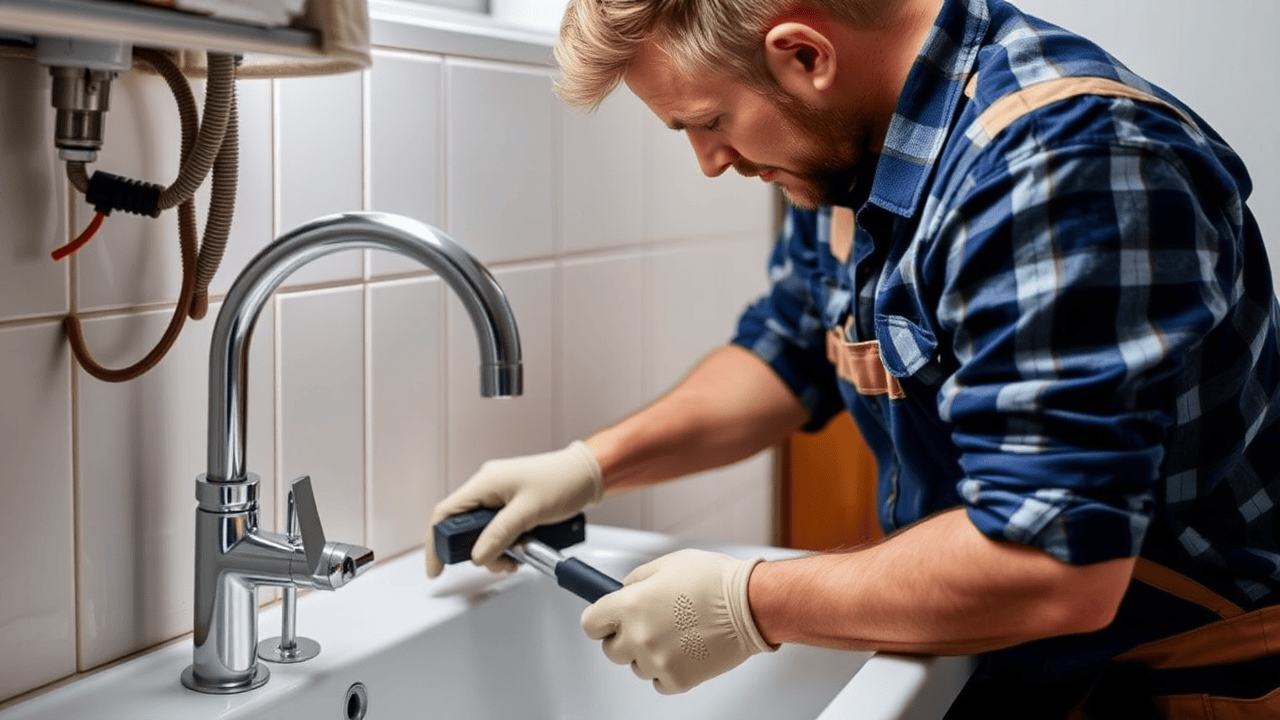
At Jd Graham Plumbing, we specialize in sink installation and repair services that cater to your unique needs. Whether you're upgrading your kitchen or bathroom sink, our experienced team is dedicated to providing high-quality workmanship and reliable solutions. We understand the importance of a functional and aesthetically pleasing sink, and we take pride in ensuring that every installation is seamless and tailored to fit your space. If you're dealing with leaks, clogs, or any other sink-related issues, our skilled technicians are ready to diagnose and repair the problem efficiently, using top-quality materials and techniques. Trust Jd Graham Plumbing to handle your sink needs with professionalism and care, ensuring your satisfaction every step of the way.
Sink Repair Basics
A sink is an essential part of any kitchen or bathroom, making it crucial to understand basic repair techniques. Common issues like leaks, clogs, or a malfunctioning disposal unit often arise, requiring homeowners to take action. Familiarizing oneself with the parts of the sink and their functions can simplify the repair process. Knowing where to find shut-off valves and how to access plumbing components saves time and reduces frustration during repairs.
Preventative maintenance is also a key aspect of sink care. Regularly cleaning sink surfaces and drain openings can help prevent clogs and buildup of grime. Checking for signs of wear on faucet seals and drain components can catch potential problems before they escalate. Understanding these fundamentals enhances a homeowner's ability to tackle minor repairs effectively while knowing when to seek professional assistance.
Identifying Common Sink Problems
Leaks often signal an underlying issue with the sink. Water stains around the base or under the sink can indicate a slow leak that may require prompt attention. Dripping faucets are another common concern, typically caused by worn-out washers or faulty seals. Clogged drains are frequent complaints as well, often resulting from a buildup of food particles, hair, or other debris.
Strange noises can also suggest problems. Gurgling sounds might indicate a blockage in the drainage system, while banging noises could point to water hammer issues due to high water pressure. Identifying the symptoms early can help prevent more significant damage and repairs down the line. Regular inspection and maintenance play a crucial role in keeping these problems at bay.
Steps for Fixing a Leaky Sink
A leaky sink can lead to water damage and increased utility bills, so addressing the issue promptly is essential. Start by turning off the water supply to prevent further leakage. After that, you can examine the faucet and sink connections for visible signs of dripping or water accumulation. Tightening loose nuts and screws may temporarily alleviate the issue. If the leak persists, you will need to dismantle the faucet to access the internal components.
Next, inspect the washers, O-rings, and other seals for wear and tear. Replacing these parts often resolves common leaks. If you notice corrosion or damage to the faucet itself, consider replacing it entirely. After making necessary repairs, reassemble the sink and turn on the water supply to check for leaks. If everything is secure and functioning correctly, you may have effectively resolved the leak.
Temporary Solutions for Leaks
If a leak suddenly appears in your sink, immediate action can help prevent further damage. One effective temporary solution involves placing a bucket or bowl underneath the sink to catch any dripping water. This minimizes water damage to the surrounding cabinetry and flooring. Additionally, using towels or rags to soak up excess moisture can make the area safer and more manageable until a permanent fix is made.
Another quick fix for small leaks is to apply waterproof tape or a plumbing-specific sealant around the problematic area. While this doesn’t provide a permanent solution, it can slow down the leak and mitigate water loss. Keep in mind that these measures should be used as stopgaps, allowing you to address the underlying issue properly at a later date. Prioritizing a thorough examination of the sink’s plumbing components will help in identifying more enduring fixes.
Upgrading Your Sink
When considering a sink upgrade, several factors come into play. The style of the sink should complement the overall aesthetic of your kitchen or bathroom. Materials such as stainless steel, ceramic, or composite are popular choices, each offering different benefits in terms of durability and maintenance. The configuration, whether it’s a single or double bowl design, can impact both functionality and convenience in everyday tasks.
Budget also plays a crucial role in the decision-making process. While some sinks come at a premium price, it’s essential to balance cost with quality. Researching various brands and models can provide insight into long-term durability and performance. This approach ensures that your investment results in a sink that not only meets your practical needs but also enhances the visual appeal of your space.
Features to Look for in a New Sink
When selecting a new sink, durability should be a primary consideration. Materials such as stainless steel, porcelain, and composite are popular due to their resilience and resistance to wear over time. Stainless steel sinks are especially favored for their ability to withstand high temperatures and impacts. Porcelain gives a classic look but may chip or crack under heavy use. A composite sink combines both aesthetic appeal and strength, providing a stylish option that is easy to maintain.
Size and style play crucial roles in determining the right sink for your kitchen or bathroom. A larger sink, for instance, can offer ample space for washing dishes and food prep, making it a practical choice for busy households. Meanwhile, the design should complement the existing decor of the space, whether opting for a farmhouse style or a more modern aesthetic. When considering a new sink, think about the overall functionality and how well it will fit your needs and preferences.
FAQS
What are the most common sink problems I should look out for?
Common sink problems include leaks, slow drainage, clogs, and unusual noises. Identifying these issues early can help prevent further damage.
How can I temporarily fix a leaky sink?
Temporary solutions for a leaky sink include using plumber's tape, applying a sealant, or placing a bucket under the leak to catch water until a permanent fix can be made.
What tools do I need for sink installation and repair?
Essential tools for sink installation and repair include a wrench, screwdrivers, pliers, a basin wrench, and a plumber's tape. These tools will help you handle most common tasks.
When should I consider upgrading my sink?
You should consider upgrading your sink if it is old, damaged, or not meeting your needs, such as insufficient space or outdated features. An upgrade can also improve your kitchen or bathroom’s aesthetics.
What features should I look for in a new sink?
When choosing a new sink, consider features like material (stainless steel, porcelain, etc.), size, depth, style (drop-in, under-mount), and additional functionalities like built-in cutting boards or draining boards.