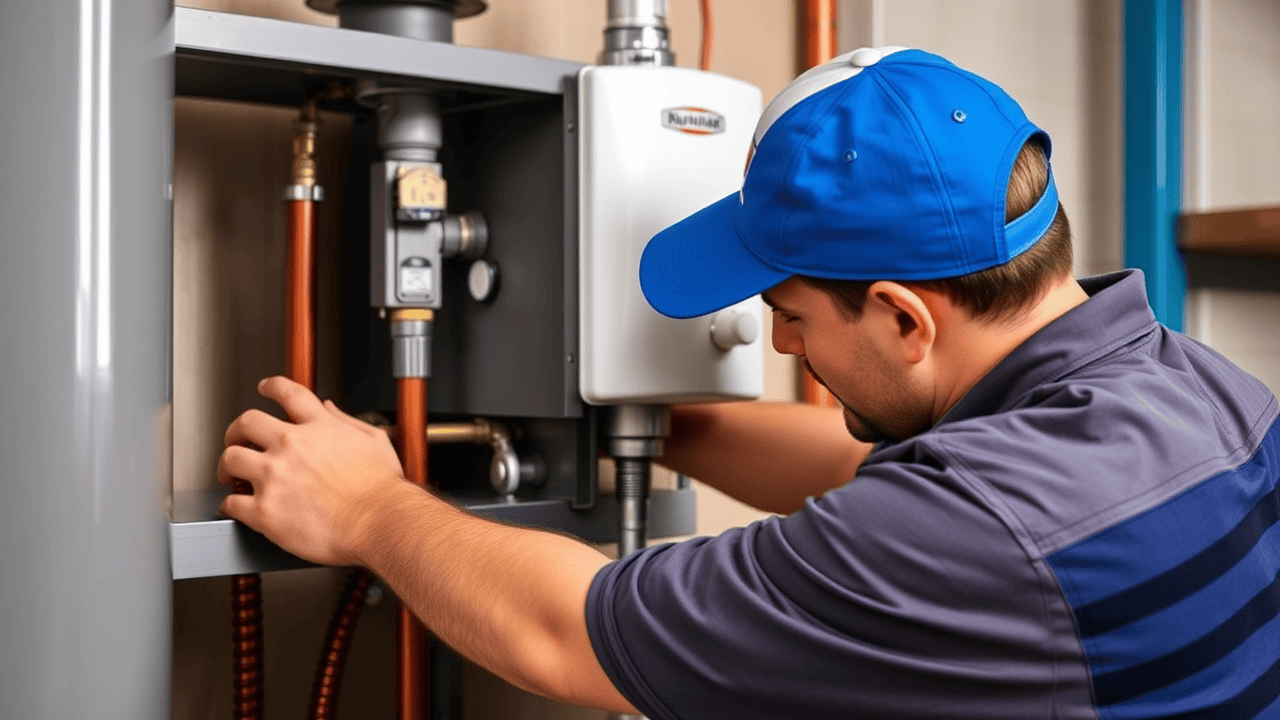
At Jd Graham Plumbing, we specialize in top-notch water heater installation and repair services to ensure that you always have access to reliable hot water in your home. Our team of experienced plumbers is equipped to handle a wide range of water heater systems, from traditional tank models to modern tankless units. We understand that a malfunctioning water heater can disrupt your daily routine, which is why we offer prompt and efficient repair services to get your system back up and running as quickly as possible. Whether you're looking to upgrade your existing unit or need immediate repairs, you can count on Jd Graham Plumbing for professional service, expert advice, and a commitment to customer satisfaction that sets us apart in the plumbing industry.
Maintenance Tips for Longevity
Regularly inspecting your water heater is crucial for its longevity. Look for any signs of leaks around the tank and connections. Sediment buildup can significantly impact efficiency; flushing the tank annually helps prevent this. Checking the anode rod, which protects the tank from corrosion, should also be part of your routine maintenance. If the rod is significantly corroded, replacing it can extend the life of your unit substantially.
Additionally, adjusting the temperature setting can make a difference in both longevity and energy consumption. Many manufacturers recommend a setting of around 120 degrees Fahrenheit. This not only conserves energy but also reduces stress on the system, minimizing wear and tear. Ensuring proper insulation for hot water pipes maintains water temperature and reduces energy loss, contributing further to your water heater's overall efficiency.
Seasonal Maintenance Checklist
Seasonal maintenance of your water heater ensures optimal performance and extends its lifespan. Start by inspecting the unit for any visible leaks or signs of wear. If your water heater has a temperature-pressure relief valve, test it periodically to ensure it is functioning correctly. Flushing the tank to remove sediment buildup is also essential, as sediment can impair efficiency and lead to corrosion over time.
Additionally, check the thermostat settings. The ideal temperature for most households is around 120 degrees Fahrenheit to prevent scalding while optimizing energy use. Insulating your water heater and the relevant plumbing can further improve energy efficiency. Lastly, keep an eye on the anode rod. This component helps prevent rust and should be inspected yearly, replacing it every few years based on its condition.
Energy Efficiency and Savings
Reducing energy costs is a significant benefit of using an energy-efficient water heater. Modern systems, such as tankless water heaters and heat pump models, can provide hot water on demand without the energy waste typical of older storage tank heaters. These innovations use advanced technology to heat water more efficiently, leading to lower utility bills and decreased environmental impact.
Homeowners should consider the energy factor (EF) rating when selecting a water heater. This rating measures the efficiency of different models, with higher numbers indicating better performance. Investing in a system with a greater EF can lead to long-term savings, making it a smart choice for those looking to minimize energy consumption while ensuring a reliable supply of hot water.
How to Choose an EnergyEfficient Water Heater
Choosing an energy-efficient water heater involves several important factors that can significantly impact both your utility bills and environmental footprint. First, consider the type of heater that best fits your needs. Options include tankless, solar, and heat pump water heaters, each varying in energy consumption and efficiency ratings. Research the Energy Factor (EF) ratings of different models, as a higher EF indicates a more efficient unit. Look for heaters that carry the ENERGY STAR label, which signifies they meet strict efficiency guidelines set by the U.S. Environmental Protection Agency.
Installation location also plays a crucial role in energy efficiency. A water heater located in a conditioned space will perform more efficiently than one installed in an unheated area. Insulate the pipes connected to the water heater to minimize heat loss. Additionally, pay attention to the size of the unit, as oversized heaters consume more energy than necessary, while undersized models may struggle to meet your hot water demands. Taking these factors into account will guide you in selecting a water heater that aligns with both your budget and energy efficiency goals.
Upgrading Your Water Heating System
An aging water heater may struggle to meet the demands of modern households. Increased energy costs and frequent repairs can signal that an upgrade is necessary. Modern systems offer improved efficiency, potential energy savings, and enhanced performance. Higher capacity options are available, catering to families that require more hot water.
When considering a new system, evaluate factors such as the type of fuel available, space constraints, and your household's hot water usage. Tankless water heaters, for example, supply hot water on demand and take up less space. Solar water heating systems can also be an eco-friendly choice. Assessing these options thoroughly can lead to a system that aligns with both your needs and budget.
When to Consider an Upgrade
A water heater typically has a lifespan of about 10 to 15 years, depending on the type and how well it has been maintained. If your unit is nearing this age, it's wise to consider an upgrade. Signs such as inconsistent hot water supply, strange noises coming from the heater, or visible rust on the tank can indicate that your current system may no longer be functioning efficiently.
In addition to age and performance issues, rising energy bills can also signal that it's time for a new water heater. Older models often lack the energy efficiency of newer options, meaning you might be spending more on utilities than necessary. Evaluating your water heater’s efficiency and performance can help you decide if upgrading is a practical move for improved comfort and savings.
FAQS
How often should I perform maintenance on my water heater?
It's recommended to perform maintenance on your water heater at least once a year to ensure optimal performance and longevity.
What are some signs that my water heater needs repair?
Common signs that your water heater may need repair include strange noises, water leaks, inconsistent water temperature, and a noticeable decrease in hot water supply.
How do I choose the right size water heater for my home?
To choose the right size water heater, consider your household's hot water needs, the number of people living in your home, and peak usage times. A professional can help you determine the best size.
What type of water heater is the most energy-efficient?
Tankless water heaters and heat pump water heaters are generally considered the most energy-efficient options, as they provide hot water on demand and use less energy overall.
When is it time to upgrade my water heating system?
Consider upgrading your water heating system if your current unit is over 10-15 years old, requires frequent repairs, or is no longer meeting your hot water needs efficiently.