At Jd Graham Plumbing, we specialize in professional gas line installation and repair services, ensuring the safety and efficiency of your home’s gas system. Our skilled technicians are trained to handle all aspects of gas line work, from installing new lines for stoves, water heaters, and fireplaces to repairing existing lines that may have leaks or damage. We prioritize safety and adhere to all local codes and regulations, using only high-quality materials to guarantee reliable performance. Whether you're upgrading your appliances or need urgent repairs, Jd Graham Plumbing is dedicated to providing prompt, dependable service to keep your home running smoothly and safely.
Gas Line Repair Techniques
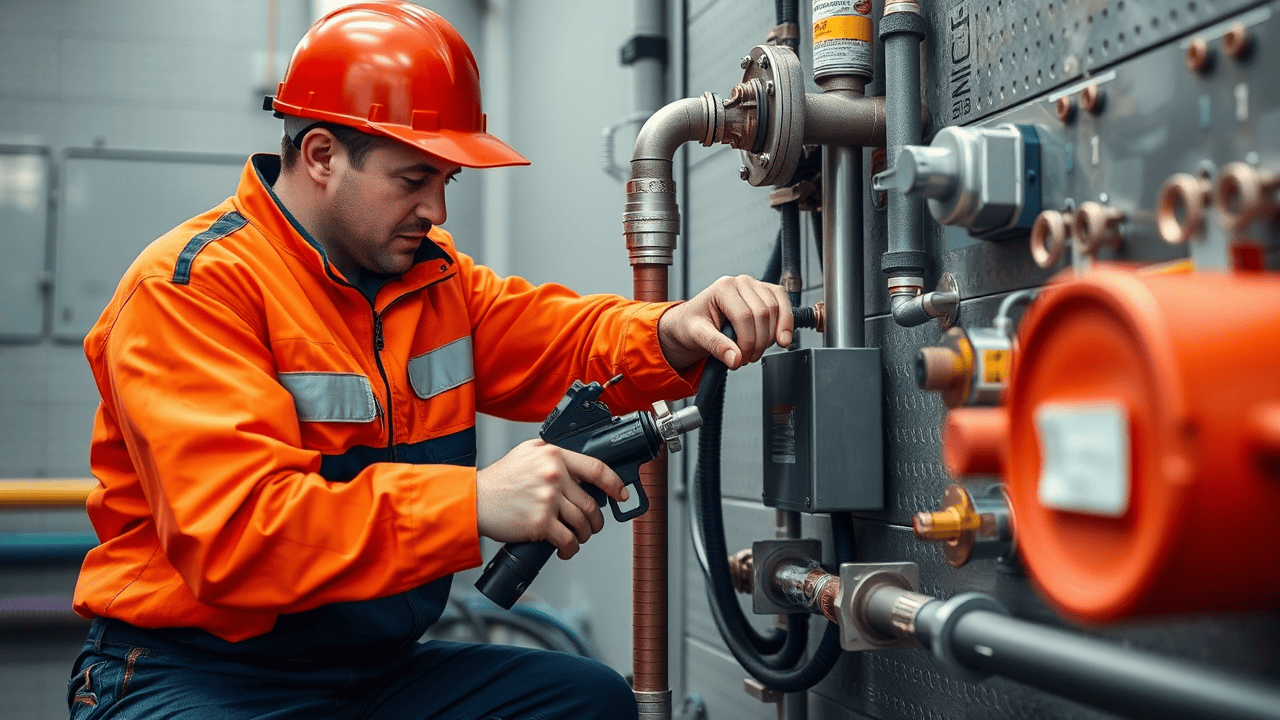
Effective gas line repair techniques are essential for ensuring safety and reliability. A common method involves identifying leaks using gas detectors, which can pinpoint the exact location of a problem. Once a leak is detected, shutting off the gas supply is critical to prevent any hazards. After securing the area, technicians often excavate around the damaged section to gain access. Various tools, such as pipe cutters and wrenches, are used to replace the broken or corroded pipes, ensuring they are properly sealed to prevent future leaks.
Another technique involves pressure testing the gas lines after repairs have been completed. This process helps verify that all connections are secure and that there are no lingering leaks before restoring gas service. Additionally, using tracer gas can aid in identifying leaks that standard methods might miss. Properly documenting the repair process is also vital, as it provides essential information for future maintenance and compliance checks. These techniques collectively ensure that gas line systems operate safely and efficiently.
Methods for Troubleshooting and Fixing Issues
Identifying gas line issues requires careful observation and systematic troubleshooting. Begin by checking for visible signs of damage or leaks, such as wear on pipes or loose fittings. A gas detector can help identify leaks that may not be immediately apparent. It's essential to turn off the gas supply before performing any inspections or repairs. Additionally, assessing the performance of appliances connected to the gas line can provide valuable insights into potential problems.
When addressing detected issues, maintaining safety is paramount. Use proper tools to tighten fittings and replace any damaged components as necessary. In some cases, a complete line replacement may be necessary if pervasive corrosion or cracks are found. Always ensure that any repairs or installations meet local building codes to prevent future hazards. Documenting all repair work helps in maintaining a history of the system's condition and can assist in identifying patterns that may necessitate more significant interventions later.
Compliance with Gas Line Regulations
Ensuring compliance with gas line regulations is essential for the safety of any installation or repair project. These rules are designed to mitigate risks associated with gas leaks and explosions. Local and national codes outline the necessary procedures for installation, maintenance, and inspection. Adhering to these guidelines helps protect both property and residents from potential hazards.
Gas line regulations also require licensed professionals to carry out work on gas systems. This requirement ensures that technicians possess the necessary skills and knowledge to perform installations and repairs safely. Regular inspections are mandated to confirm that all components remain in working order and meet safety standards. By following these regulations, homeowners not only guarantee their own safety but also contribute to the overall integrity of the community’s gas infrastructure.
Understanding Local Codes and Standards
Local codes and standards play a crucial role in ensuring the safety and reliability of gas line installations and repairs. Each jurisdiction may have specific regulations that govern the materials used, installation techniques, and maintenance practices for gas lines. Familiarizing oneself with these codes not only helps in compliance but also minimizes the risk of potential hazards. Ignoring these requirements can lead to serious consequences, including legal liabilities and safety risks.
In addition to adhering to local regulations, understanding the rationale behind these codes can aid in making informed decisions during installation and repair processes. Many codes are developed based on industry standards and best practices, reflecting the latest safety technologies and methodologies. Engaging with local building authorities or consulting experienced professionals can provide valuable insights into the relevant standards, ensuring that every project meets the necessary safety benchmarks.
Choosing the Right Materials for Gas Lines
Selecting appropriate materials for gas line installation is crucial for ensuring safety and effectiveness. Commonly used materials include black iron, PVC, and copper. Black iron offers durability and is resistant to corrosion, making it ideal for natural gas applications. PVC is lightweight and resistant to chemicals, but it is only suitable for specific types of gas. Copper provides excellent longevity and flexibility, but its high cost can be a drawback for some projects.
The choice of material directly impacts the lifespan and performance of the gas lines. Each option has its advantages and disadvantages that can affect installation processes and maintenance requirements. Environmental factors and the location of the installation also play significant roles in determining the most suitable material. Understanding these factors ensures a reliable gas line that adheres to safety standards while efficiently meeting the needs of the property.
Pros and Cons of Different Types
When selecting materials for gas lines, various options come with distinct advantages and disadvantages. Copper gas lines are prized for their durability and ease of installation. They resist corrosion, which can extend their lifespan. However, they can also be more expensive than alternatives. Additionally, while black iron pipe is strong and relatively affordable, it has a susceptibility to rust, which can create long-term maintenance concerns.
Polyethylene gas lines offer flexibility and resistance to corrosion, making them an appealing choice, especially for underground applications. They are lightweight and easy to work with. However, these lines might not be suitable for high-temperature conditions. Galvanized steel could be another option, offering durability and some resistance to rust. Its rigidity, though, can complicate installation, particularly in tight spaces. Each material has its place depending on specific project needs and environmental factors.
FAQS
What are common signs that my gas line needs repair?
Common signs of gas line issues include a sulfur-like odor, hissing sounds, dead vegetation around the line, or an increase in gas bills without explanation. If you notice any of these signs, it’s crucial to have your gas line inspected immediately.
How can I troubleshoot a gas leak?
To troubleshoot a gas leak, start by looking for an unusual odor, listening for hissing sounds, and checking for dead plants around the line. Never attempt to locate a leak with flames or sparks; instead, evacuate the area and contact a professional.
What regulations should I be aware of for gas line installation?
Gas line installation is subject to local building codes and safety regulations. It’s essential to consult local authorities or a licensed professional to ensure compliance with all applicable laws and standards.
What materials are commonly used for gas lines?
Common materials for gas lines include black iron pipe, corrugated stainless steel tubing (CSST), and polyethylene piping. Each material has its advantages and disadvantages depending on the application and installation environment.
How often should gas lines be inspected?
It is recommended to have gas lines inspected at least once every year, or more frequently if you notice signs of wear or potential leaks. Regular inspections can help prevent serious safety hazards and costly repairs.