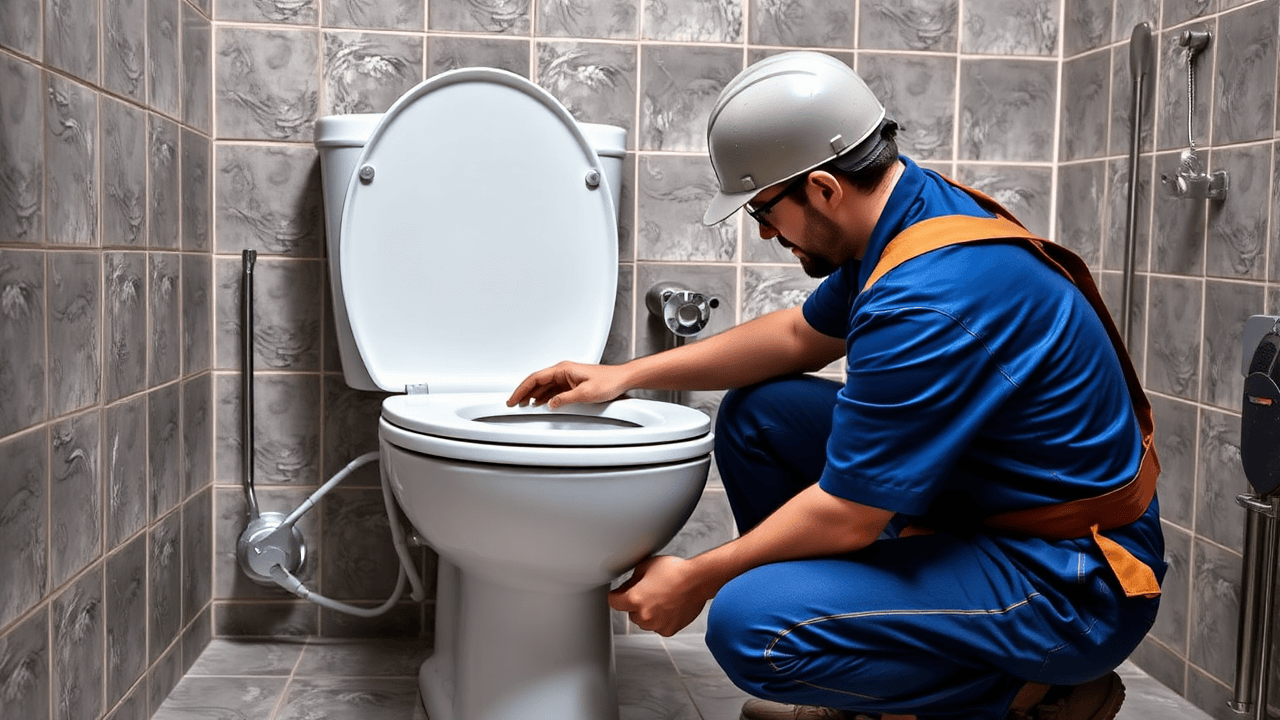
At Jd Graham Plumbing, we specialize in comprehensive toilet installation and repair services designed to meet the needs of our valued customers. Whether you’re upgrading to a more efficient model or experiencing issues with your current toilet, our team of skilled plumbers is dedicated to providing prompt and reliable solutions. We handle everything from precise installations that ensure optimal performance to thorough repairs that address leaks, clogs, and flushing problems. With our commitment to quality workmanship and customer satisfaction, you can trust Jd Graham Plumbing to restore the functionality of your bathroom quickly and efficiently.
How to Fix a Running Toilet
A running toilet can waste a significant amount of water. This issue often stems from a problem with the flapper or the fill valve. The flapper controls the flow of water from the tank to the bowl, and if it doesn't seal properly, water continues to run. Begin by removing the tank lid and checking the flapper for any wear or mineral buildup. If necessary, replace the flapper with a new one designed for your toilet model.
The fill valve is another common culprit behind this issue. It regulates the amount of water that refills the tank after a flush. If the valve is set too high, water may spill into the overflow tube, leading to constant running. Adjust the float arm or the adjustment screw on the fill valve to lower the water level. After making adjustments, flush the toilet to see if the changes successfully stopped the running water.
Adjusting the Flapper and Fill Valve
A common cause of a running toilet often stems from issues with the flapper and fill valve. The flapper is a rubber component that seals the tank and prevents water from continuously flowing into the bowl. If the flapper is worn, warped, or not sealing properly, it may need to be adjusted or replaced. To check the flapper, lift the tank lid and observe if it lifts completely when the toilet is flushed. If it does not fall back into place, make necessary adjustments or consider replacing it.
The fill valve also plays a crucial role in toilet function, controlling the refill of water in the tank after a flush. If the fill valve is set too high or too low, it can lead to ineffective flushing or overflowing. Adjusting the height of the fill valve is typically straightforward; turning the adjustment screw can increase or decrease the water level. Regular maintenance of both components helps ensure a toilet operates efficiently, reducing the likelihood of running problems and excessive water bills.
Addressing Clogs and Blockages
Toilet clogs are a common household issue that can disrupt daily routines. Understanding the common causes is essential. Frequent blockages may arise from excessive toilet paper use, improper items being flushed, or built-up debris in the drain. Recognizing the signs of a clog early can help prevent more serious plumbing problems down the line.
Effective techniques for clearing a clog often include using a plunger or a toilet auger. A plunger creates suction and pressure to dislodge the obstruction. For tougher blockages, a toilet auger can reach further into the drain and break up stubborn clogs. Always remember to wear rubber gloves and take necessary precautions to keep the area clean while addressing the issue.
Effective Techniques for Unclogging a Toilet
Clogs in toilets can disrupt daily routines and create unnecessary stress. One effective technique to address a blockage is the use of a plunger. A standard toilet plunger, with its rubber cup, creates a seal around the toilet drain. By pushing down and pulling up repeatedly, pressure builds up to dislodge the blockage, often restoring normal flow. It's important to ensure a tight seal and use quick, forceful thrusts for the best results.
If a plunger doesn’t yield results, a toilet auger may be the next step. This tool, also known as a plumber's snake, can reach deeper into the toilet's plumbing to break apart or retrieve the clog. Inserting the auger into the toilet drain and turning the handle allows the coiled end to navigate through the pipes. Releasing the clog requires patience, and once complete, flushing the toilet can confirm that the blockage has been successfully cleared.
Understanding Toilet Leaks
Leaks can waste significant amounts of water and lead to increased utility bills if not addressed promptly. Common sources of toilet leaks include the flapper valve, which may deteriorate over time, resulting in water escaping from the tank into the bowl. Additionally, the fill valve can also wear out, causing water to seep out of the tank. Other potential leak sources include cracks in the toilet bowl or tank and faulty wax seals where the toilet connects to the floor.
Identifying the source of a leak often involves examining various components of the toilet. A simple way to check for leaks is to add food coloring to the tank water. If the color appears in the bowl after a few minutes, this indicates a flapper issue. For leaks around the base, inspect the wax seal and determine if it requires replacement. Regular maintenance and timely repairs can prevent minor issues from escalating into larger problems.
Common Sources and Solutions
Leaky toilets often stem from a few common sources. The flapper, a rubber component inside the tank, can degrade over time, leading to water seeping from the tank into the bowl. Another frequent culprit is the fill valve. If it becomes faulty, it might allow water to flow continuously, resulting in wasted water and higher bills. Inspecting these parts regularly can help identify issues before they escalate.
In addition to flappers and fill valves, connections like the tank-to-bowl gasket can also be a source of leaks. This gasket can wear out and cause water to leak onto the floor. Tightening the connections or replacing the gasket may resolve this issue. Regular maintenance is essential to keep these components in good condition, helping prevent leaks and the potential for water damage in your bathroom.
FAQS
What are the common symptoms of a running toilet?
Common symptoms of a running toilet include constant water noise, water trickling into the bowl, and an inability to stop flushing automatically.
How can I tell if my toilet flapper needs to be replaced?
If your toilet is running frequently, you can check the flapper by lifting the tank lid and observing if it seals properly. If it appears worn, warped, or doesn't close fully, it may need to be replaced.
What should I do if my toilet is clogged?
If your toilet is clogged, you can try using a plunger first. If that doesn’t work, consider using a toilet auger or a combination of baking soda and vinegar to break up the blockage.
How do I find the source of a toilet leak?
To find the source of a toilet leak, inspect the tank and base for any visible signs of water. You can also perform a dye test by adding food coloring to the tank and checking if it seeps into the bowl.
When should I call a professional plumber for toilet repair?
You should call a professional plumber if you encounter persistent issues that you cannot resolve, such as continuous leaks, complex clogs, or if you're unsure about any repair procedures.