LongTerm Considerations of Repairing
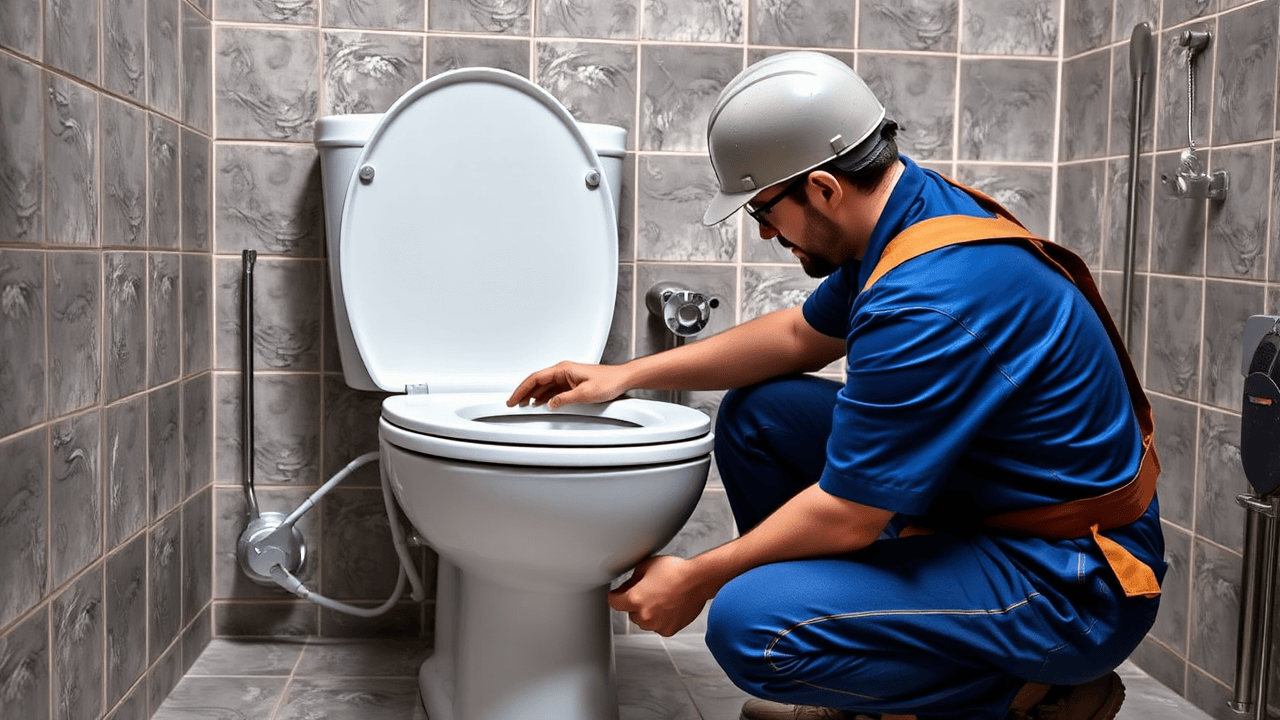
Repairing a toilet can often seem like a straightforward and cost-effective choice in the short term. Many minor issues, such as leaks or clogs, can be resolved with simple fixes that don't require replacing the entire unit. Homeowners may find it more appealing to invest in toilet installation and repair services that target specific problems, allowing them to avoid the higher upfront costs associated with a new toilet. Additionally, repair work can extend the life of an existing toilet, making it a viable option for those who wish to postpone more significant renovations.
However, the long-term implications of repeated repairs should be carefully considered. Constant maintenance can lead to ongoing expenses that accumulate over time, potentially surpassing the cost of replacement. An aging toilet may necessitate more frequent repairs, which can be inconvenient and disruptive. Weighing the benefits of toilet installation and repair against the likelihood of future issues is essential for homeowners seeking to make the most economical decision regarding their plumbing systems.
Assessing Longevity and Future Repair Needs
When considering the longevity of a toilet, assessing its current condition becomes essential. Older fixtures may suffer from multiple wear and tear issues, which can lead to frequent repairs. Even if a specific component can be fixed, other parts may begin to fail soon afterward, resulting in additional costs and inconvenience. A thorough evaluation during the toilet installation and repair process can provide insights into which components are worth maintaining and which may indicate a more significant need for replacement.
Future repair needs also play a crucial role in the decision-making process. A model that has proven unreliable may continue to require attention, creating a cycle of ongoing expenses. Conversely, investing in a new toilet can lead to lower maintenance costs and improved functionality. Modern toilets often come with enhanced features and improved durability, which can minimize the likelihood of future repairs. Evaluating both the current performance and expected lifespan of existing fixtures allows homeowners to make informed choices about whether to repair or replace their toilets.
LongTerm Considerations of Replacing
Replacing an old toilet can lead to several long-term advantages. A new toilet often comes with improved technology, enhanced efficiency, and modern features that can dramatically reduce water usage. Over time, these advancements not only contribute to lower utility bills but can also increase the overall value of a home. When considering toilet installation and repair, investing in a newer model can pay off through reduced maintenance needs and improved performance.
Moreover, new toilets typically have longer lifespans compared to older units. While repairs may extend the life of a malfunctioning toilet, they do not guarantee optimal performance or reliability. A replacement model designed for longevity will often require less frequent servicing. This minimizes both the costs associated with ongoing repairs and the inconvenience of dealing with a malfunctioning fixture. For homeowners considering toilet installation and repair, opting for a replacement might ultimately save time, money, and stress.
Benefits of a New Toilet Over Time
Investing in a new toilet can lead to significant savings over time. Modern toilets are designed to use less water, often consuming as little as 1.28 gallons per flush compared to older models, which may use 3.5 gallons or more. This improved water efficiency contributes to lower utility bills. Additionally, a new toilet typically requires fewer repairs, reducing the costs associated with plumbing services and maintenance, especially when considering the inevitability of wear and tear on aging units.
Toilet installation and repair becomes less frequent with a newer model. Many of today’s toilets come with advanced features such as dual-flush options and improved flushing technologies, further enhancing their reliability and performance. These innovations can result in a more hygienic experience and potentially longer lifespans for the unit itself. Therefore, while the initial cost of a new toilet may be higher, the long-term benefits often outweigh those of fixing an old one.
Environmental Impact of Repairs vs. Replacement
When considering the environmental impact of toilet installation and repair, it's essential to evaluate water efficiency and sustainability. Many older toilets are less efficient, using more water per flush compared to newer models designed with conservation in mind. Repairing an aging toilet can prolong its lifespan, but it may still consume more water than its replacement, ultimately leading to higher water usage over time.
On the other hand, opting for a new toilet installation often means benefitting from advancements in technology and design focused on reducing water waste. Modern toilets typically use significantly less water, sometimes as little as 1.28 gallons per flush, compared to older counterparts that might use 3.5 to 7 gallons. While repair may seem like a cost-effective choice initially, the long-term water savings and environmental benefits of a new toilet can outweigh those of simply fixing a less efficient unit.
Comparing Water Efficiency and Sustainability
The water efficiency of toilets can significantly influence the decision to repair or replace. Older models often consume more water, which can lead to higher utility bills. Newer, low-flow toilets are designed to use as little as 1.6 gallons per flush or even less, promoting sustainability in households. When considering toilet installation and repair, it is essential to evaluate the long-term savings and efficiency gains offered by modern options.
Sustainability also plays a crucial role in this decision-making process. Repairing an existing toilet may extend its life while maintaining its original water use. However, replacing it with a high-efficiency model often presents an opportunity to reduce water consumption dramatically. The environmental impact of excessive water usage over time can be substantial, making a strong case for considering toilet installation and repair in light of eco-friendly alternatives.
FAQS
How do I determine whether to repair or replace my toilet?
Consider factors such as the age of the toilet, the extent of the damage, potential future repair needs, and the cost of repairs versus a new model. If repairs are frequent or costly, replacement might be a more economical choice in the long run.
What are the typical costs associated with toilet repairs?
Common repairs can range from $50 to $300, depending on the issue. Simple fixes like replacing a flapper or adjusting the float can be less expensive, while more significant repairs may require professional help and incur higher costs.
Are there any long-term benefits to replacing an old toilet?
Yes, new toilets often feature improved water efficiency, which can lead to lower water bills over time. Additionally, newer models may require fewer repairs and offer enhanced functionality, contributing to overall convenience and savings.
How does the environmental impact differ between repairing and replacing a toilet?
Repairing an old toilet can sometimes be more environmentally friendly, as it avoids the waste associated with manufacturing and disposing of a new toilet. However, if the old toilet is inefficient and requires frequent repairs, replacing it with a high-efficiency model may reduce water usage and have a positive environmental impact over time.
What factors should I consider regarding water efficiency when choosing a new toilet?
Look for toilets with the WaterSense label, which indicates they meet certain water efficiency standards. Additionally, consider the flush volume and whether the toilet uses dual-flush technology to maximize water savings without sacrificing performance.