DIY vs. Professional Installation
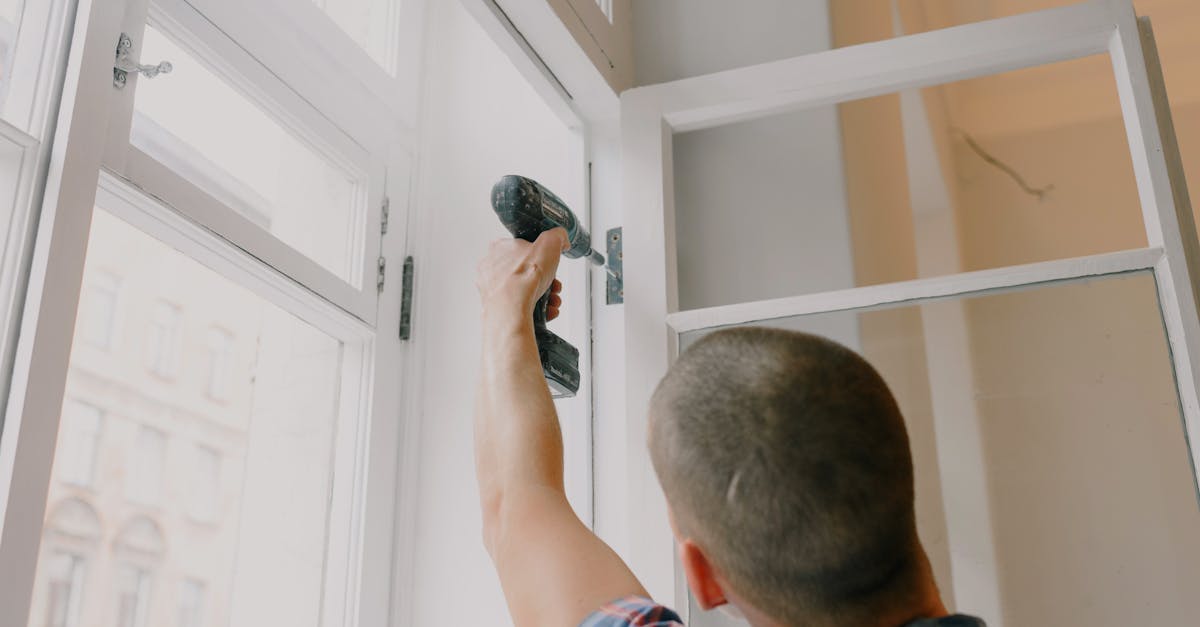
Many homeowners consider tackling water heater installation and repair on their own to save money. This option can be appealing for those with a background in plumbing or construction. DIY installations can take significantly longer than a professional's work, potentially leading to additional complications if the installation is not executed correctly. Mistakes can result in leaks or inefficient operation, which might require costly repairs later on.
On the other hand, hiring a professional for water heater installation and repair typically ensures a quicker and more reliable outcome. Experienced technicians are familiar with local codes and regulations, reducing the likelihood of any compliance issues. While the initial investment may be higher, the assurance of proper installation and warranty options adds long-term value. This choice allows homeowners to focus on other essential tasks without the concern of dealing with potential installation problems.
Advantages of Hiring a Professional
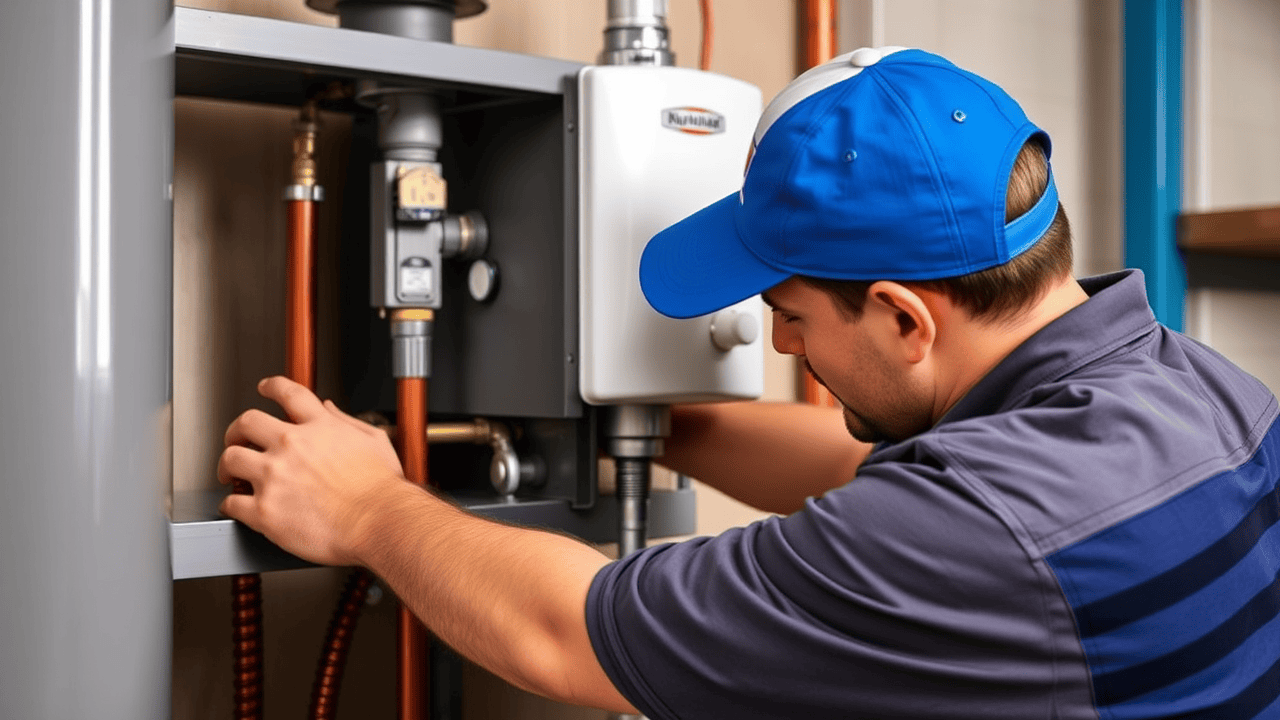
Hiring a professional for water heater installation and repair ensures that the job meets industry standards. Professionals bring the necessary experience to handle different types of water heaters, whether conventional or tankless. Their expertise can significantly reduce the risk of mistakes that could lead to leaks or system failures down the line. A certified technician is familiar with the specific requirements of different models, ensuring that all components are correctly installed for optimal performance.
Additionally, professionals are well-versed in local regulations and building codes. Adhering to these guidelines is crucial in preventing potential fines or safety issues. By choosing a professional, homeowners can have peace of mind, knowing that the installation will comply with all necessary regulations. This investment in quality workmanship often translates to greater longevity and efficiency for the water heater in the long term.
Cost Considerations
When considering the cost of a water heater replacement, several factors come into play. The price of the unit itself varies significantly based on the type, brand, and efficiency rating. In addition to the purchase price, homeowners should factor in the expenses associated with water heater installation and repair. Labor costs can also fluctuate depending on the complexity of the installation and regional labor rates. It is wise to seek estimates from multiple contractors to get a better understanding of prevailing market rates.
Budgeting for water heater replacement includes not only the initial investment but also potential ongoing costs. Energy efficiency can lead to savings on utility bills over time, so opting for a more efficient model may increase upfront costs but provide long-term financial benefits. Homeowners should also consider warranty options as they can affect overall expenses in case of future repairs. Understanding these financial aspects is crucial to making an informed decision regarding water heater installation and repair.
Budgeting for Water Heater Replacement
When planning for water heater replacement, it’s essential to assess your budget thoroughly. The average cost for a new water heater can vary significantly based on the model and type of installation, making it crucial to research before making a decision. Water heater installation and repair services may also add to the overall expense. Homeowners should consider not only the initial purchase price but also potential costs for permit fees and any modifications needed during installation.
It’s wise to set aside additional funds for unexpected expenses. Even a straightforward replacement can uncover underlying plumbing issues or code violations that require attention. Gathering multiple estimates from licensed professionals can provide a clearer picture of potential costs involved in water heater installation and repair. Always remember to include a buffer in your budget to accommodate any unforeseen circumstances that may arise during the replacement process.
Local Regulations and Permits
Every locality has specific regulations and permits that govern water heater installation and repair. Before starting any work, homeowners should consult with local building authorities to understand the requirements. This can include obtaining permits, passing inspections, and adhering to zoning laws. Neglecting to comply with these regulations can lead to costly fines and may complicate future real estate transactions.
In addition to avoiding penalties, following local regulations ensures the safety and efficiency of the installation. Codes often dictate proper sizing, venting systems, and energy efficiency standards. Adhering to these guidelines also protects the homeowner’s investment and guarantees that the water heater operates effectively. Engaging professionals familiar with these regulations can streamline the process and help ensure all necessary permits are secured.
Importance of Compliance with Building Codes
Compliance with building codes is crucial when it comes to water heater installation and repair. These regulations ensure that the work is performed safely and correctly, preventing potential hazards such as leaks or electrical failures. Following the established guidelines helps protect not only the homeowner but also future occupants of the property.
Ignoring local codes can result in significant repercussions, including fines or the need for costly rework. It may also complicate future insurance claims if problems arise due to unpermitted installations. Adhering to the allowed standards can provide peace of mind, knowing that the installation or repair meets safety and efficiency requirements.
FAQS
How long does it typically take to replace a home water heater?
On average, replacing a home water heater can take anywhere from 2 to 6 hours, depending on the complexity of the installation and whether you are using a DIY approach or hiring a professional.
What factors can affect the time it takes to replace a water heater?
Several factors can influence the time required, including the type of water heater being installed, the condition of existing plumbing, local building codes, and whether any permits are needed.
Is it faster to install a water heater myself or hire a professional?
While a DIY installation might seem quicker if you have the necessary skills, hiring a professional typically ensures a more efficient installation process, as they are experienced and familiar with local regulations and potential complications.
Do I need a permit to replace my water heater?
Yes, depending on your local regulations, you may need to obtain a permit for water heater replacement to ensure compliance with building codes and safety standards.
What should I consider when budgeting for water heater replacement?
When budgeting, consider the cost of the new water heater, installation fees, any necessary permits, and potential updates to plumbing or electrical systems that may be required.