Finding Qualified Installers
When searching for qualified installers for your water heater, it's essential to evaluate both experience and credentials. Look for contractors who specialize in water heater installation and repair in your area. This localized expertise ensures they are familiar with the specific requirements and regulations of your municipality. Check for proper licensing and insurance coverage to safeguard yourself against potential liabilities during the installation process.
Another way to find reputable installers is through customer reviews and references. Online platforms and social media can provide insights into the quality of work and customer satisfaction. Ask for recommendations from friends or family who have recently completed similar projects. A well-reviewed contractor often signifies reliability and skill in water heater installation and repair in your community. Taking these steps can pave the way for a successful installation experience.
Tips for Selecting a Reputable Contractor
Choosing the right contractor for water heater installation and repair in your home is crucial. Start by seeking recommendations from friends, family, or neighbors who have recently had similar work done. Online reviews can provide insight into a contractor’s reputation and reliability. When evaluating potential contractors, look for those who are licensed and insured to ensure protection against any mishaps during the installation process.
It’s also important to ask for detailed quotes and compare the services offered by different contractors. Inquire about warranties for both the equipment and the installation work. A reputable contractor should be transparent about their pricing and ready to answer any questions you may have. Take advantage of consultations to gauge their expertise and professionalism in handling water heater installation and repair in your area.
Installation Process Overview
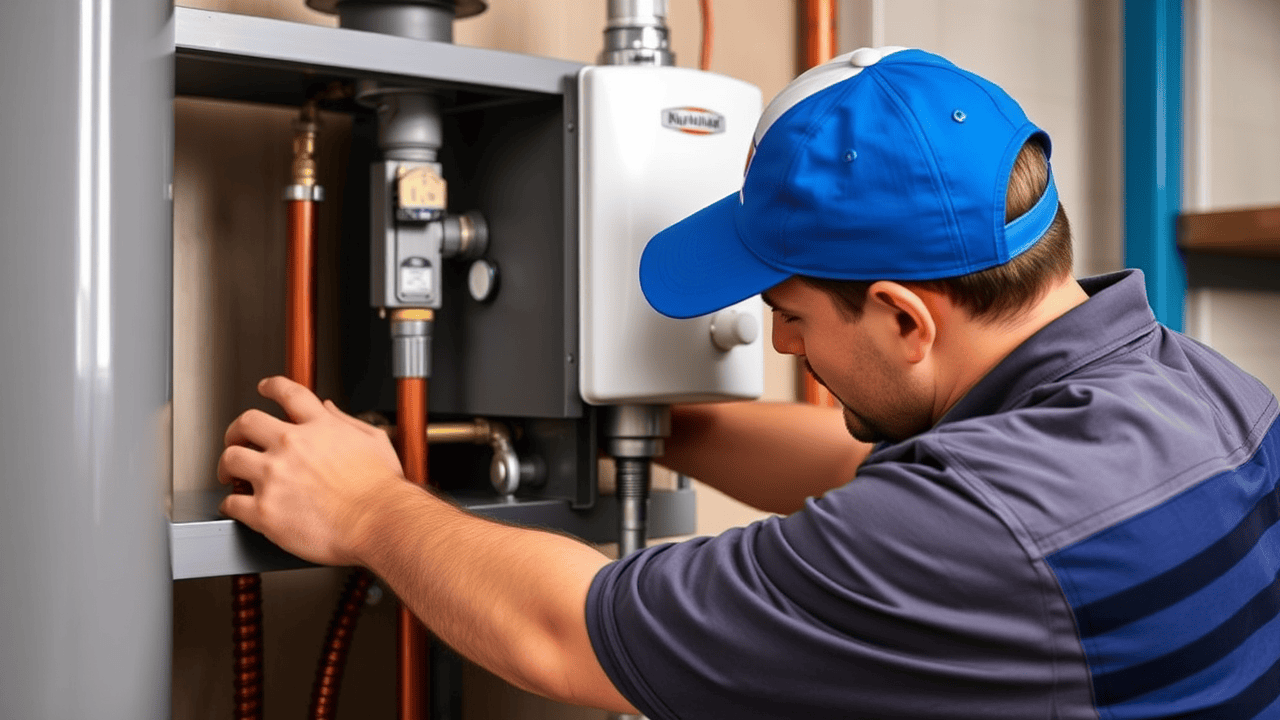
The installation process for a water heater typically involves several critical steps to ensure efficiency and safety. Preparations begin with assessing the existing setup, which includes checking the electrical or gas lines and confirming that all necessary permits are in place. The old unit must be removed carefully, followed by the installation of the new water heater. Proper connections to the supply lines and drainage systems are essential. Once the unit is securely in place, it requires thorough testing to confirm that everything operates as intended.
Following the installation, there are various safety measures and local regulations that need to be considered. Water heater installation and repair in any area often demands compliance with specific building codes. These regulations are designed to minimize risks such as leaks and gas exposure. After installation, it is crucial to review the warranties and understand the maintenance required to keep the unit operating efficiently. Familiarity with these regulations ensures that homeowners can rely on their new units without concern for safety issues.
StepbyStep Guide to Installation
The installation of a water heater begins with selecting the right location. It is essential to choose an area that meets the clearance requirements and has proper ventilation. Prepare the site by clearing away any obstacles and ensuring accessibility to existing plumbing and electrical sources. This initial step sets the stage for a smooth installation process. Assess the existing connections and, if necessary, gather the tools and materials needed for the task ahead.
Once the location is prepared, the next step is to connect the water heater. Start by shutting off the water supply and draining any residual water from the old heater if applicable. Install the new water heater according to the manufacturer's instructions. This typically involves connecting the cold-water inlet and hot water outlet pipes, as well as the gas line or electrical connections. Water heater installation and repair in residential settings often requires checking for leaks after the connections are made. Completing this step thoughtfully ensures that the system functions correctly and efficiently.
Safety Regulations
Safety regulations for water heater installation and repair in any location are crucial to ensure the well-being of residents and the longevity of the appliance. Compliance with local codes is essential. These codes dictate various requirements, including the types of materials that can be used, clearance requirements, and venting specifications. Understanding and adhering to these regulations can prevent dangerous scenarios like gas leaks or carbon monoxide poisoning.
Contractors engaging in water heater installation and repair in residential or commercial properties must have a strong grasp of local safety codes. This knowledge not only protects the property and its inhabitants but also guards against potential liability issues for the contractor. Homeowners should confirm that their selected installer is knowledgeable about current regulations and properly licensed, further ensuring that the job meets safety standards.
Ensuring Compliance with Local Codes
Compliance with local codes is essential when installing a water heater to ensure safety and efficiency. Many regions have specific regulations outlining the requirements for installation, venting, and clearances. These codes are designed to prevent hazards such as gas leaks, electric shorts, and potential fire risks. Homeowners should familiarize themselves with their locality’s building codes before proceeding with any installation.
Water heater installation and repair in residential properties often requires permits and inspections. This step helps verify that the work meets safety standards and follows municipal guidelines. Failure to comply can lead to penalties, fines, or issues if the property is ever sold. Engaging a qualified contractor ensures adherence to these regulations and provides peace of mind regarding the safety and functionality of the installed unit.
FAQS
How do I find qualified water heater installers?
You can find qualified water heater installers by asking for recommendations from friends and family, checking online reviews, and searching local directories for licensed contractors who specialize in water heater installation.
What should I consider when selecting a contractor for water heater installation?
When selecting a contractor, consider their experience, certifications, customer reviews, warranty offerings, and whether they are licensed and insured. It's also helpful to get multiple quotes to compare pricing and services.
What does the water heater installation process involve?
The installation process typically involves removing the old unit, preparing the area, connecting the new water heater to existing plumbing and electrical systems, and ensuring proper venting. A qualified installer will follow all necessary safety protocols and local regulations.
Are there any safety regulations I should be aware of during water heater installation?
Yes, safety regulations vary by location, but they generally include compliance with local building codes, proper ventilation, earthquake strapping for gas units, and ensuring that the installation meets the manufacturer's specifications for safety.
How can I ensure that my water heater installation complies with local codes?
To ensure compliance, hire a licensed and experienced contractor who is familiar with local codes and regulations. Additionally, checking with your local building authority before installation can provide you with specific requirements that need to be met.