Common Challenges in Sink Installation
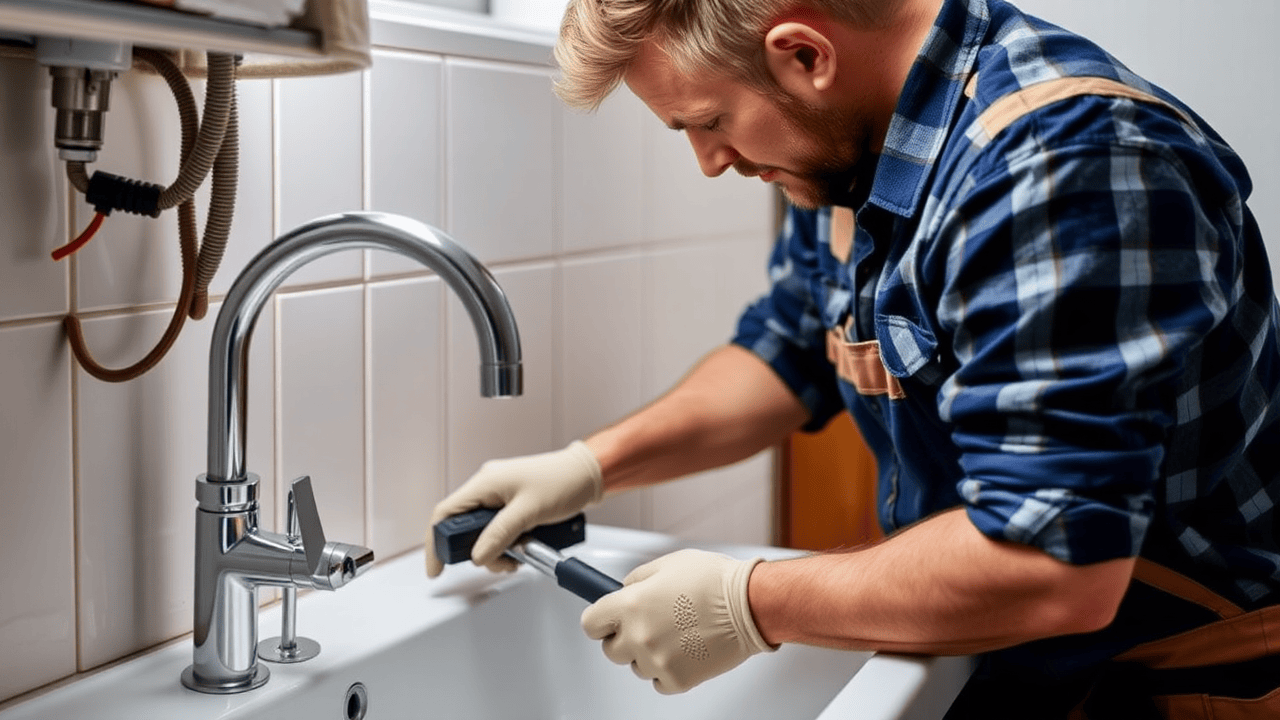
Sink installation and repair can come with various challenges that may not be immediately apparent to novice homeowners. Proper alignment and securing of the sink can be complicated, especially in tight or awkward spaces. Ensuring that connections to the plumbing system are leak-free often requires precision. Additionally, managing the weight of the sink and understanding how to support it during installation can lead to difficulties if not done correctly.
Another common issue arises from the compatibility of the new sink with existing plumbing. Older homes may have outdated plumbing configurations that do not easily accommodate newer models. Navigating these discrepancies often requires additional adjustments or the purchase of compatible parts. This uncertainty can add time and expense to the project, making it essential to evaluate the entire setup before starting the installation process.
Troubleshooting Potential Issues
When tackling sink installation and repair, individuals often encounter common issues such as leaks, clogs, or improper alignment. It's crucial to address these problems promptly to avoid further complications. For example, if the sink begins to leak after installation, checking the connections and fittings for tightness can often resolve the issue. Ensuring that all plumbing components are compatible and properly sealed is key in preventing water damage and maintaining functionality.
Another challenge may arise with the drainage system, where slow drainage or backups occur. This could indicate a clog or misalignment in the plumbing pipes connected to the sink. If these issues persist even after a thorough inspection, consulting a professional plumber may be necessary. Addressing potential problems early can save both time and money in the long run, ensuring a seamless sink installation and repair process.
Cost Comparison
When considering whether to tackle sink installation and repair as a DIY project or hire a professional, evaluating the costs involved is essential. DIY enthusiasts may save on labor costs, which can be a significant part of professional services. However, there are expenses tied to purchasing tools, materials, and potentially dealing with mistakes made during installation that could lead to further repairs down the line.
On the other hand, hiring a professional often comes with a higher upfront cost but can provide peace of mind. Professionals bring experience and expertise, which can lead to a quicker, more efficient installation. Additionally, they can sometimes identify issues that a novice may overlook, potentially saving money on future repairs. Weighing these factors against your budget will help determine the best approach for your sink installation and repair project.
Budgeting for Installation
When planning for sink installation and repair, it’s essential to consider the overall budget. Costs can vary significantly based on the type of sink you choose, the complexity of the installation, and whether you opt for professional help or take on the project yourself. A standard drop-in sink may have lower costs associated with it compared to a more complex vessel or under-mount sink requiring precise measurements and additional materials. Installation supplies like plumbing fittings, caulk, and a potential new faucet also contribute to the total expenses.
In addition to materials, labor costs can fluctuate based on the region and the plumber’s experience. If you decide to hire a professional for the installation, getting multiple quotes can help you find the best price while ensuring quality work. For a DIY approach, while initial savings may be appealing, factor in the potential for needing additional tools or making mistakes that require a professional's correction. All considerations around sink installation and repair will impact your final budget significantly.
Types of Sinks and Their Requirements
When considering a new sink, it’s essential to understand the various types and their specific requirements. Different sinks come in a range of materials, styles, and sizes. For example, a farmhouse sink typically requires a larger cabinet space due to its depth. Undermount sinks depend on careful installation under the countertop for proper support, while drop-in sinks are often easier to install due to their self-supporting design. Knowing your sink type helps in planning the necessary modifications to your plumbing and cabinetry.
Sink installation and repair can be straightforward, but compatibility with existing plumbing is a crucial factor. Standard sizes often align with traditional plumbing setups, but any deviation might necessitate additional fittings or adjustments. Furthermore, drainage and water supply configurations can vary based on the sink design. Homeowners should carefully evaluate their current plumbing conditions before proceeding with installation. Understanding these requirements will aid in selecting the perfect sink for your kitchen or bathroom renovations.
Compatibility with Existing Plumbing
When considering a new sink installation, it's crucial to evaluate how well the new fixture will fit with your current plumbing setup. Different sink types come with varying configurations for drainage and supply lines. For instance, a deep farmhouse sink may require additional adjustments, while a standard drop-in sink typically aligns well with existing plumbing. Thoroughly assessing pipes and water lines ensures that you won’t encounter unforeseen problems during or after installation.
If you choose to proceed with sink installation and repair without professional assistance, it's essential to verify that the new sink matches the specifications of your existing plumbing. This includes checking the dimensions and plumbing connections to avoid significant compatibility issues. Making modifications can lead to increased costs or extended project timelines, making it vital to plan accordingly to ensure a smooth installation process.
FAQS
Do I need a plumber to install a new sink?
While it's possible to install a new sink yourself if you have the right tools and experience, hiring a plumber can ensure the job is done correctly and efficiently, especially if you're unsure about plumbing connections.
What are common challenges in sink installation?
Common challenges include misalignment with existing plumbing, difficulty in removing the old sink, ensuring proper sealing to prevent leaks, and dealing with varying sizes and types of sinks.
How much does it typically cost to hire a plumber for sink installation?
The cost of hiring a plumber for sink installation can vary widely based on location and complexity, but it generally ranges from $100 to $300 for labor, not including the cost of the sink itself.
What should I budget for a DIY sink installation?
For a DIY sink installation, you should budget for the cost of the sink, mounting hardware, plumbing supplies, and tools, which can collectively range from $150 to $500 or more, depending on your choices.
How can I determine if my new sink is compatible with existing plumbing?
To determine compatibility, you should check the dimensions of the new sink, the configuration of your existing plumbing, and whether the drain and supply lines align correctly with the new sink's requirements.