Impact of Local Climate on Pipe Longevity
Local climate plays a significant role in determining the lifespan of sewer pipes. In regions with extreme temperatures, pipes may be subjected to greater thermal expansion and contraction, leading to wear and tear over time. Areas that experience heavy rainfall or snowfall can also see increased pressure on sewer systems, which may contribute to deterioration. It's crucial for homeowners to be aware of how environmental factors may affect their plumbing infrastructure.
Sewer line installation and repair near me can provide insights into how local weather patterns impact pipe materials and their longevity. Professional assessments often consider the unique climate challenges of an area, ensuring that sewer systems are built to withstand specific conditions. Soil erosion from heavy rains or freeze-thaw cycles can further influence the performance of sewer lines, emphasizing the importance of reliable installation practices in maintaining the integrity of these systems.
WeatherRelated Issues Affecting Sewer Pipes
Extreme weather conditions can significantly impact the integrity of sewer pipes. Heavy rainfall can lead to soil erosion and flooding, resulting in increased pressure on underground pipes. This added stress might cause older pipes to crack or collapse, leading to costly repairs. Similarly, freezing temperatures can cause pipes to freeze and expand, which may result in bursts. Homeowners often find themselves dealing with these weather-related issues, prompting them to search for services like "sewer line installation and repair near me."
In addition to heavy rainfall and freezing temperatures, long periods of drought can also create problems for sewer systems. As the ground dries out, soil can shrink and create gaps around the pipes, putting them at risk of settling or uneven pressure. This instability can further exacerbate existing weaknesses within the sewer line. Regular maintenance and timely repairs become essential in mitigating these risks. Those facing issues may seek out local professionals by searching for "sewer line installation and repair near me" to ensure their systems remain functional during challenging weather patterns.
Cost Considerations for Sewer Pipe Replacement
Replacing sewer pipes involves a range of costs that can vary significantly based on several factors. The type of material used for pipes, such as PVC or cast iron, can influence the overall expense. Additional costs may arise from the necessity of excavation or soil remediation. Homeowners often find it beneficial to obtain multiple estimates from local contractors to determine the best price for their specific needs.
Budgeting for sewer line installation and repair near me typically includes not just the material and labor costs, but also permits and potential landscaping repair. Unexpected issues, such as the discovery of tree roots or unstable soil conditions, can further complicate matters and increase expenses. Careful planning and research into local service providers can help in managing these costs effectively while ensuring the longevity of the new sewer system.
Budgeting for New Installations
When planning for new sewer line installations, it's essential to account for various costs that can arise throughout the process. Homeowners should consider not only the price of materials but also labor costs, permits, and potential excavation expenses. Obtaining multiple estimates from local contractors can provide a clearer picture of expected expenses. This thorough approach helps prevent unexpected financial burdens and ensures that the installation fits within budgetary constraints.
Individuals searching for services can start by requesting local proposals using the phrase "Sewer line installation and repair near me." This helps pinpoint qualified professionals in your area who can provide not only cost estimates but also insights into local regulations and best practices. Understanding the local market can guide budgeting decisions and improve overall project outcomes.
The Role of Soil Conditions in Pipe Durability
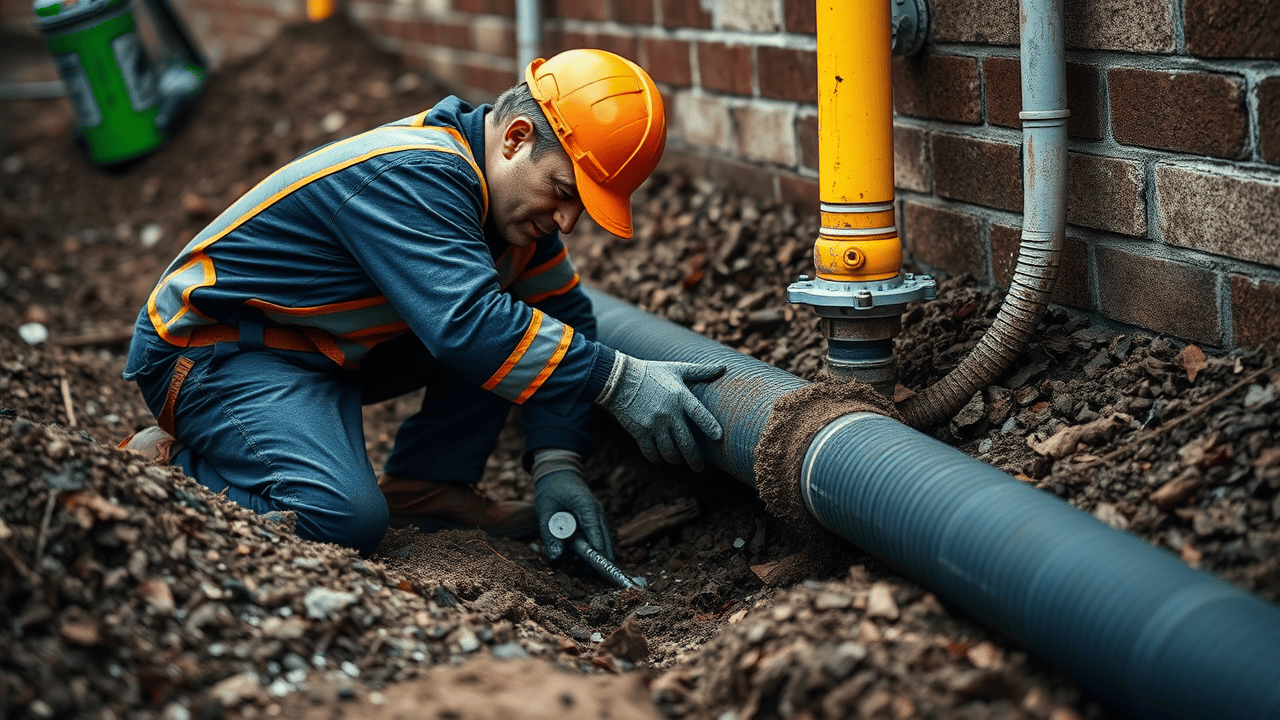
Soil conditions play a critical role in determining the longevity and integrity of sewer pipes. The type of soil can influence how pipes withstand environmental pressures over time. Clay soils tend to retain water and can shift, potentially leading to increased stress on the pipes. In contrast, sandy soils promote better drainage, which can help prevent issues such as corrosion or buckling. Proper assessment of soil conditions is essential before installation to ensure optimal pipe performance.
Understanding the specific soil composition is vital for choosing the right piping materials and methods. For example, stable soils may allow for the use of PVC pipes, while unstable or expansive soils might require more robust options like ductile iron or fiberglass. When considering maintenance or trouble spots, searching for “sewer line installation and repair near me” can provide insights into local expertise in addressing the challenges posed by various soil types. Such local professionals can offer tailored solutions that enhance the durability and effectiveness of sewer systems based on the prevailing soil conditions.
How Soil Type Affects Performance
The type of soil surrounding sewer pipes plays a critical role in their overall performance and longevity. Different soil types exhibit varying degrees of moisture retention, compaction, and acidity, which can affect how pipes withstand external pressures. Clay soils, for instance, retain water more efficiently and can expand or shrink based on moisture levels. This shifting can place considerable stress on sewer pipes, leading to possible deformities or breaks over time.
Conversely, sandy soils tend to drain quickly and may not exert as much pressure on pipes. However, they may also offer less support, increasing the risk of settling or movement. Homeowners should consider the soil characteristics in their area when planning sewer line installation and repair near me. Understanding these factors can help in selecting the appropriate materials and techniques for a durable sewer system.
FAQS
How long can I expect my sewer pipes to last?
The lifespan of sewer pipes typically ranges from 50 to 100 years, depending on materials, installation, and environmental factors.
What factors can affect the longevity of sewer pipes?
Factors such as local climate, soil conditions, and the quality of installation can significantly impact the durability and lifespan of sewer pipes.
What type of sewer pipe material lasts the longest?
Generally, PVC and cast iron pipes have longer lifespans, often lasting over 100 years, while clay pipes can last around 50 to 100 years.
How does soil condition affect sewer pipe durability?
Soil type and condition play a crucial role in pipe performance. Certain soils can cause corrosion or shifting, leading to premature failure, whereas stable, well-draining soils tend to support pipe longevity.
What are the signs that my sewer pipes need to be replaced?
Signs of potential sewer pipe failure include frequent clogs, slow drainage, unusual odors, and visible leaks in your yard or around the foundation.