DIY vs. Professional Repair Services
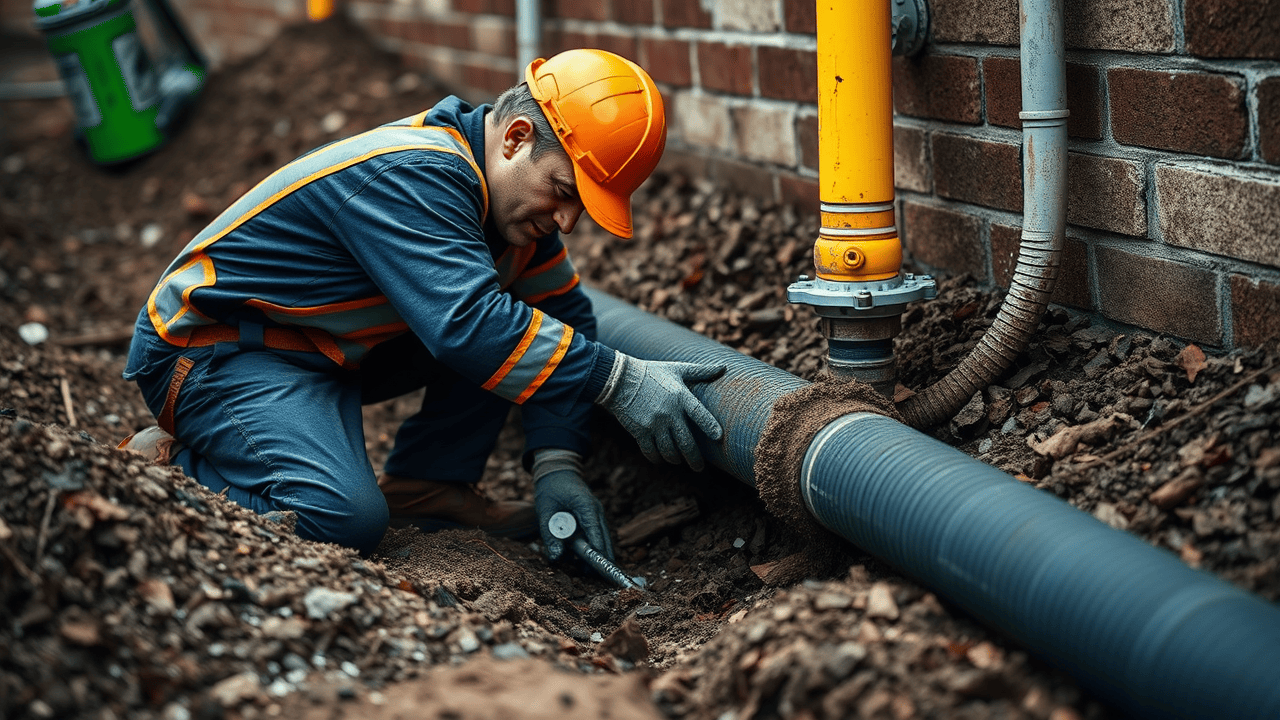
Many homeowners consider a DIY approach to sewer line repair, often motivated by potential cost savings and a sense of accomplishment. Simple pipe issues might be manageable with the right tools and knowledge. Resources such as online tutorials and DIY plumbing guides can provide valuable insights for tackling minor leaks or clogs. However, more extensive damage may require skills beyond what the average person possesses.
On the other hand, professional repair services offer expertise and efficiency that can save time and prevent further damage. Skilled technicians have the training and equipment necessary to diagnose and fix complex problems effectively. When it comes to tasks like sewer line installation and repair in Eugene, Oregon, hiring a professional ensures compliance with local regulations and reduces the risk of improper repairs. Investing in professional help can ultimately lead to a longer-lasting solution and peace of mind for homeowners.
Pros and Cons of Each Approach
Choosing between a DIY approach and hiring professional repair services involves weighing various pros and cons. A DIY option often provides cost savings and a sense of accomplishment, as homeowners can take charge of the project and tailor the repair to their specific needs. However, without the right skills or experience, there is a risk of improper repairs that might lead to more significant issues down the line. If the necessary tools and knowledge are lacking, this could result in additional expenses and complications.
On the other hand, professional repair services offer expertise and efficiency, ensuring that the job is done correctly. Professionals typically understand local regulations and have access to specialized equipment. In areas like Oregon, where sewer line installation and repair in Oregon may require compliance with specific codes, hiring experts can prevent legal troubles and ensure long-lasting solutions. Nevertheless, the higher costs associated with professional services might deter some homeowners. Balancing these factors is crucial when deciding on the best approach to tackle sewer line repairs.
Preventative Measures to Avoid Future Problems
Regular maintenance can significantly reduce the risk of future sewer line issues. Homeowners should schedule periodic inspections to identify potential problems before they escalate. Simple actions, such as keeping roots away from sewer pipes and avoiding flushing inappropriate items, play a crucial role in safeguarding the system. Additionally, opting for professional services for sewer line installation and repair in Eugene, Oregon can provide lasting solutions tailored to local conditions.
Preventative measures also include being attentive to changes in the yard or near sewer lines. Unexplained wet spots, unusual odors, or slow drains often indicate underlying issues that require immediate attention. Ensuring proper drainage around the property can help mitigate damage caused by heavy rainfall or flooding. By adopting these measures, homeowners can maintain their sewer systems effectively and reduce the likelihood of costly repairs.
Tips for Maintaining Your Sewer System
Regular maintenance can significantly extend the lifespan of your sewer system. Homeowners should schedule routine inspections to identify potential issues early. Simple habits, such as monitoring what goes down the drains, can prevent clogs and backups. Avoid flushing non-biodegradable items or chemical cleaners that can damage the pipes over time. Keeping records of any maintenance or repairs made also helps track the condition of the system and anticipate future needs.
Investing in professional services for sewer line installation and repair in Eugene, Oregon, can provide valuable insights into the health of your sewer system. These experts can conduct thorough assessments and recommend appropriate maintenance practices tailored to local soil conditions and climate. Additionally, regular cleanings can help remove buildup that may not be visible but could lead to significant problems down the line. Listening to the advice of professionals ensures your system remains efficient and functions smoothly.
Impact of Soil Conditions on Sewer Lines
Soil conditions play a crucial role in the integrity and functionality of sewer lines. Various soil types affect drainage capabilities, stability, and the potential for corrosion or shifting. Clay soils hold moisture and can expand and contract, which may lead to pipe movement or cracking. Sandy soils, while providing better drainage, can sometimes permit roots to invade pipes more easily. Understanding the local soil composition is essential for homeowners to anticipate potential issues and for professionals engaged in sewer line installation and repair in Eugene, Oregon.
The impact of moisture content in the soil can also not be overstated. Soil that is too wet can lead to increased pressure on pipes, while overly dry conditions can cause soil shrinkage, resulting in landscape movement. These fluctuations can lead to misalignments in pipe sections or even complete failure over time. Regular assessments of soil conditions in relation to sewer infrastructure can help mitigate risks. For those in Eugene, being aware of local soil dynamics proves beneficial in planning maintenance and repairs effectively.
Understanding Soil Types and Their Effects
The type of soil in which a sewer line is laid can significantly impact its longevity and performance. Clay soils, often expansive, can cause pipes to shift, crack, or become misaligned over time. Sandy soils, on the other hand, typically allow for good drainage, but they may not provide enough support for pipes, leading to potential sagging. These various soil conditions must be carefully considered to prevent future complications with your sewer system.
For those considering sewer line installation and repair in Eugene, Oregon, understanding the local soil composition is crucial. The region's diverse soil types, including clay and loamy soils, can influence both the initial installation process and ongoing maintenance needs. Root intrusion, erosion, and settling can all be exacerbated by specific soil characteristics, making it essential to address these factors upfront when undertaking any sewer work.
FAQS
What are some common signs that my sewer pipe is broken?
Common signs of a broken sewer pipe include foul odors, slow drains, gurgling sounds in plumbing fixtures, water pooling in the yard, and frequent clogs.
Can I fix a broken sewer pipe myself, or should I hire a professional?
It depends on the severity and location of the damage. Minor issues may be manageable as a DIY project, but serious breaks or deep underground problems are best handled by professionals.
What are the pros and cons of hiring a professional for sewer pipe repair?
Hiring a professional ensures experienced handling and often quicker repairs, but it can be more expensive. DIY repairs can save money but may lead to further issues if not done properly.
How can I prevent future sewer pipe problems?
Regular maintenance checks, avoiding flushing inappropriate items, and monitoring your landscaping can help prevent future sewer pipe issues.
What should I consider about soil conditions before repairing a broken sewer pipe?
Soil types can affect the stability and condition of sewer pipes. It's important to understand factors like soil moisture, composition, and density, as these can influence the longevity of your sewer system.