Alternatives to Baking Soda and Vinegar
When considering alternatives to baking soda and vinegar, it's essential to explore options that are both effective and safe for your plumbing. One popular choice is using a commercial enzymatic drain cleaner. These cleaners contain live bacteria and enzymes that break down organic material, making them an eco-friendly option. Many consumers appreciate that these products often have fewer harsh chemicals.
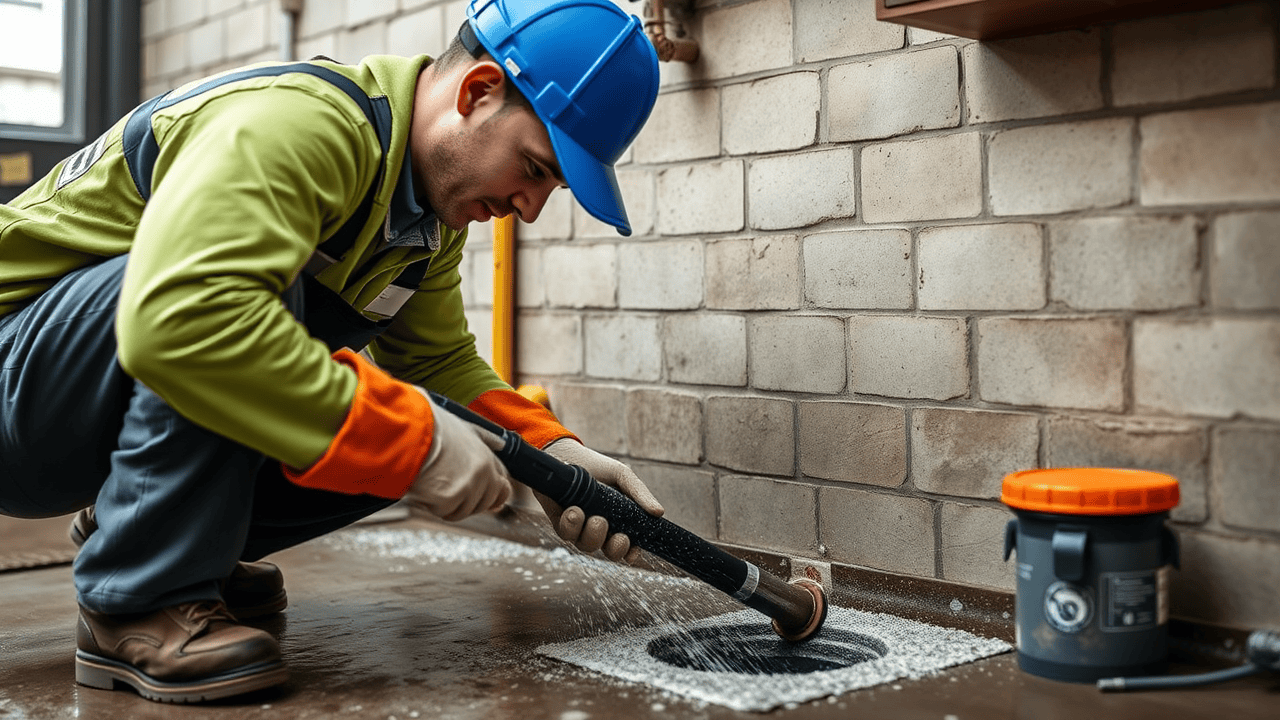
Another method involves using boiling water to clear mild clogs. Pouring boiling water down the drain can help dissolve grease and food particles. For those who prefer the convenience of professional assistance, searching for "drain cleaning near me" can lead to various local services that specialize in clog removal. These professionals typically use specialized equipment to handle tougher blockages without risking damage to your plumbing.
Other Natural Drain Cleaning Solutions
Many households seek alternatives to baking soda and vinegar for drain cleaning. One effective solution is the use of enzymes. These enzyme-based cleaners are designed to break down organic materials such as food particles and grease. They are often biodegradable and less harmful to plumbing compared to harsh chemical cleaners. Users can find these products at local stores or opt for a professional service that offers "drain cleaning near me" to ensure effective results without damaging pipes.
Another natural solution is using hot water combined with dish soap. This mixture helps to dissolve grease and clear minor clogs, making it a practical choice for maintenance. Pouring boiling water down the drain can effectively flush out debris. For persistent issues, consulting with professionals who specialize in "drain cleaning near me" can provide tailored solutions for more complex drainage problems. These options emphasize a more environmentally friendly approach to maintaining plumbing systems.
How to Properly Use the Mixture
To properly use the mixture of baking soda and vinegar for clearing drains, start by removing any visible debris from the drain. This can include hair, food particles, and other obstructions. Once the drain is as clean as possible, pour about half a cup of baking soda directly into the drain. Allow it to settle for a few moments before adding approximately one cup of vinegar. The chemical reaction created by these two ingredients can help break down buildup and clogs within the pipes.
After adding the vinegar, you should see bubbling and fizzing. This reaction is a sign that the mixture is working to clear the drain. Let it sit for at least 30 minutes to maximize effectiveness. Afterward, flush the drain with hot water to wash away any loosened debris. For persistent clogs or if you want professional assistance, searching for "drain cleaning near me" can help you find local services that can address more serious issues.
StepbyStep Application Guide
Start by gathering your materials: a cup of baking soda and a cup of white vinegar. Ensure your sink or drain is clear of any debris before you begin. Pour the baking soda directly into the drain, attempting to push it as far down as possible. Following this, carefully add the vinegar. Expect a fizzing reaction as the two substances combine, which indicates they are working together to break down buildup in the pipes.
Allow the mixture to sit for about 30 minutes for optimal results. Afterward, flush the drain with hot water to help clear any remaining residue. This process is often more effective when repeated if stubborn clogs persist. If you find that your drain issues continue after this method, consider searching for “drain cleaning near me” for professional assistance.
Limitations of the Method
While baking soda and vinegar can provide a natural solution for minor clogs, they are not effective for all types of blockages. For severe obstructions caused by tree roots, grease buildup, or larger debris, this method may fall short. Seeking professional help for these more complex issues is often necessary to avoid damaging pipes or causing further problems.
Additionally, the reaction between baking soda and vinegar produces carbon dioxide and water, which may not effectively clear tougher accumulations. Over time, repeated use of this method can lead to the accumulation of residue, potentially making the issue worse. Homeowners experiencing persistent drainage issues should consider searching for "drain cleaning near me" to find local professionals equipped to handle more challenging scenarios.
When It's Not Recommended
While baking soda and vinegar can be effective for minor clogs, there are situations where their use is not recommended. If a drain is completely blocked, this method may not produce the desired results. In cases of severe obstructions, relying on this mixture could lead to frustration and wasted effort. Homeowners might need to consider other more powerful solutions or professional help.
Additionally, using baking soda and vinegar on certain types of pipes can be risky. For instance, older plumbing systems may not handle the reaction well, potentially leading to damage. In such scenarios, it’s best to seek alternatives or professional services. Searching for "drain cleaning near me" can direct you to experts who can assess the situation safely and effectively.
FAQS
Is it safe to use baking soda and vinegar in my drains?
Yes, baking soda and vinegar are generally safe for most drains when used properly, as they are non-toxic and can help break down minor clogs.
Can baking soda and vinegar harm my plumbing?
While they are safe for most plumbing systems, excessive use or mixing with other chemicals can lead to adverse reactions. It's best to avoid using them in combination with commercial drain cleaners.
How often can I use baking soda and vinegar for drain cleaning?
You can use this mixture as a preventive measure once a month to keep your drains clear and odor-free.
Are there any drains where this method is not recommended?
Yes, you should avoid using baking soda and vinegar in drains connected to septic systems, as the reaction can disrupt the natural bacteria needed for septic function.
What should I do if my drain is still clogged after using baking soda and vinegar?
If the clog persists, it may be time to try mechanical methods like a plunger or a drain snake, or consider calling a professional plumber for assistance.