EcoFriendly Alternatives
When considering eco-friendly alternatives for drain cleaning in your home, natural ingredients often serve as effective solutions. Ingredients like baking soda and vinegar can break down gunk and odors without harming the environment. This combination produces a chemical reaction that loosens debris, making it easier to clear clogged pipes. Regular use can not only maintain clean drains but also prevent heavy buildups that lead to more significant plumbing issues.
Essential oils can also act as a pleasant and effective measure for drain cleaning in various household applications. For instance, tea tree oil has natural antibacterial properties that can help eliminate odors and inhibit bacterial growth. Adding a few drops to your drain cleaning routine can enhance the overall freshness while supporting a healthier home environment. These eco-friendly methods are simple yet powerful means of keeping your plumbing systems running smoothly.
Biodegradable Cleaning Products
Biodegradable cleaning products offer an effective and environmentally friendly solution for drain cleaning in residential and commercial settings. These products are made from natural ingredients that break down easily in the environment, minimizing harmful effects on local ecosystems. Unlike traditional chemical cleaners, which can release toxins into waterways, biodegradable options work to dissolve clogs while maintaining a focus on sustainability.
Many of these products contain enzymes or bacteria that specifically target organic waste, such as grease and food particles. This makes them not only effective for routine maintenance but also safe for all types of plumbing systems. When searching for an eco-friendly approach, consider looking for certifications that assure you the product meets environmental standards. Incorporating biodegradable cleaners into your drain cleaning in routine can help preserve the health of your plumbing while contributing to a cleaner planet.
How to Flush Your Drains
Flushing your drains effectively requires a straightforward approach that can help maintain their cleanliness. Start by boiling a large pot of water. Pour the hot water down the drain in sections, allowing it to work its way through. This method helps to break down any build-up and grease that may be clogging the pipes. For additional cleaning power, consider adding a cup of baking soda followed by a cup of vinegar. The reaction between these two substances creates fizzing that can help dislodge stubborn debris.
Routine maintenance is essential for ensuring your drains remain clear. Regularly flushing drains with hot water can help prevent the accumulation of grime and unwanted odors. Drain cleaning in homes should be a priority, especially in kitchens and bathrooms where debris tends to build up more frequently. Setting aside time to flush out your drains can extend their lifespan and reduce the risk of serious blockages in the future.
The Benefits of Hot Water
Hot water serves as an effective tool for drain cleaning in homes and businesses. It helps dissolve grease and soap residues that often accumulate in pipes over time. This process can prevent clogs from forming and reduce the buildup of harmful bacteria. Regularly flushing drains with hot water can maintain a free-flowing system and promote overall plumbing hygiene.
Utilizing hot water for drain cleaning in conjunction with other methods can enhance results. It can be particularly beneficial in areas prone to slow drainage. The heat can break down organic matter, ensuring that the pipes remain clear. This simple yet effective practice not only addresses existing issues but also acts as a preventive measure against future clogs.
The Role of Professional Services
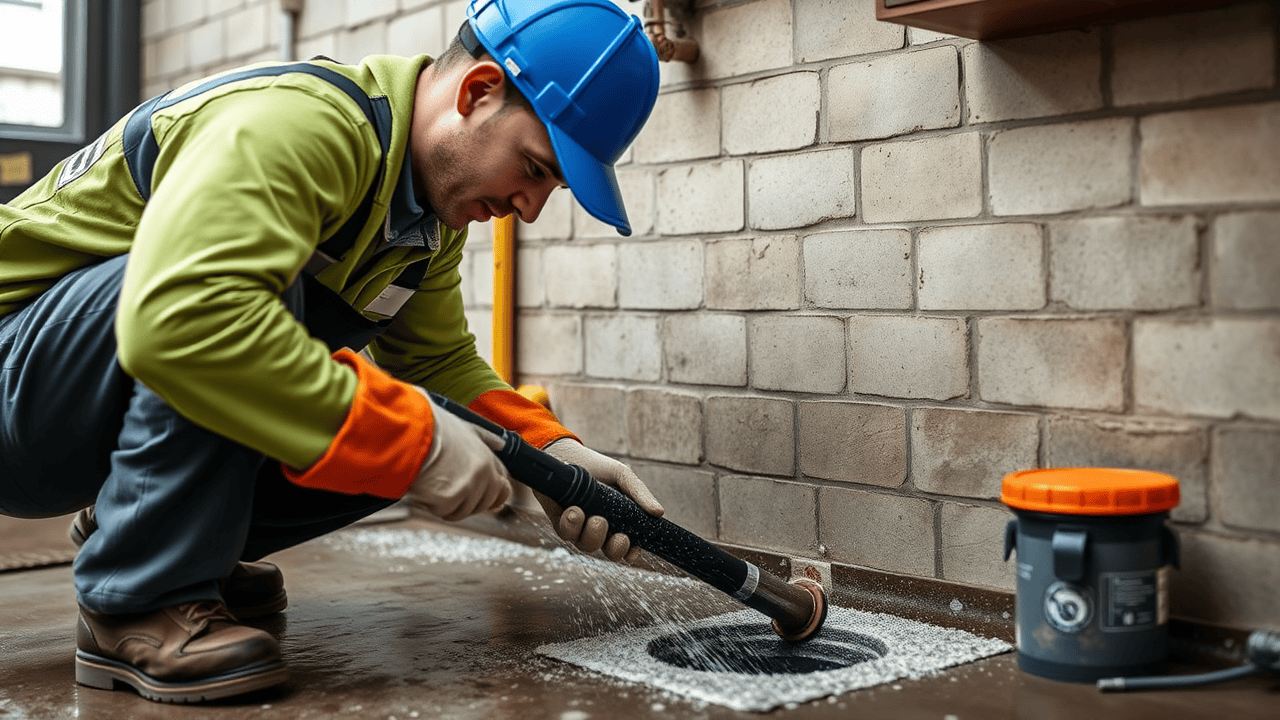
Many homeowners may attempt to handle clogs and drain issues themselves, often using over-the-counter products or DIY methods. However, when these approaches fail or lead to more complicated problems, the expertise of a professional can be invaluable. Drain cleaning in urban areas often involves navigating older plumbing systems that may require specialized knowledge and tools to address effectively. Professionals are equipped to diagnose issues accurately and can offer solutions that prevent recurring blockages.
When considering the timing of intervention, it's important to recognize the signs of serious drainage problems. Persistent odors, slow drainage, or repeated clogs are indicators that a professional should be consulted. Drain cleaning in a timely manner can save homeowners from significant damage and costly repairs down the line. Relying on experienced plumbers not only resolves current issues but also helps maintain the overall health of the plumbing system.
When to Call a Plumber
Ignoring persistent drainage issues can lead to more severe plumbing problems. Home remedies and over-the-counter products may provide temporary relief, but they might not eliminate the root cause. If you find yourself repeatedly dealing with clogs or slow drains, it’s time to consider professional assistance. Drain cleaning in your area can help assess and address the situation more thoroughly.
A licensed plumber has the tools and expertise to manage tougher clogs that standard cleaning methods can't handle. They can perform thorough inspections and identify underlying issues like tree root intrusion or pipe leaks. Professional drain cleaning in your locality ensures that any potential problems are resolved before they escalate, saving you both time and money in the long run.
FAQS
What are some eco-friendly alternatives to clean drains?
Eco-friendly alternatives for cleaning drains include using baking soda and vinegar, salt and hot water, or natural enzymes found in biodegradable cleaning products. These options are effective and minimize environmental impact.
Can I use commercial biodegradable cleaning products on my drains?
Yes, commercial biodegradable cleaning products are designed to break down naturally without harming the environment. Always follow the manufacturer's instructions for best results.
How often should I flush my drains with hot water?
It’s recommended to flush your drains with hot water at least once a month to help prevent buildup and keep them flowing smoothly.
What are the benefits of using hot water to clean drains?
Hot water can help dissolve grease, soap scum, and other debris that may accumulate in drains. It also aids in flushing away any loose particles, promoting better drainage.
When should I consider calling a plumber?
You should consider calling a plumber if you experience persistent clogs, frequent backups, or if DIY methods do not resolve the issue. A professional can provide thorough cleaning and identify any underlying plumbing problems.