Replacing Damaged Pipes
When dealing with damaged pipes under a house, identifying the problem is the first crucial step. Plumbers often use specialized equipment to locate leaks or weak spots. Once identified, they will assess whether the pipe can be repaired or needs complete replacement. In many cases, age and wear may lead to significant damage, making replacement the more practical option. Homeowners might search for "pipe installation and repair near me" to find qualified professionals who can efficiently handle the task.
After deciding on replacement, the plumber will shut off the water supply to prevent spills during the process. Sections of flooring may need to be opened up to access the damaged pipes. The old pipes are carefully removed, and new piping is installed following local plumbing codes. Proper alignment and secure fittings are essential to ensure a leak-free solution. Once the replacement is complete, the repaired area may require sealing with appropriate materials to restore the structural integrity of the house.
Steps for Pipe Replacement
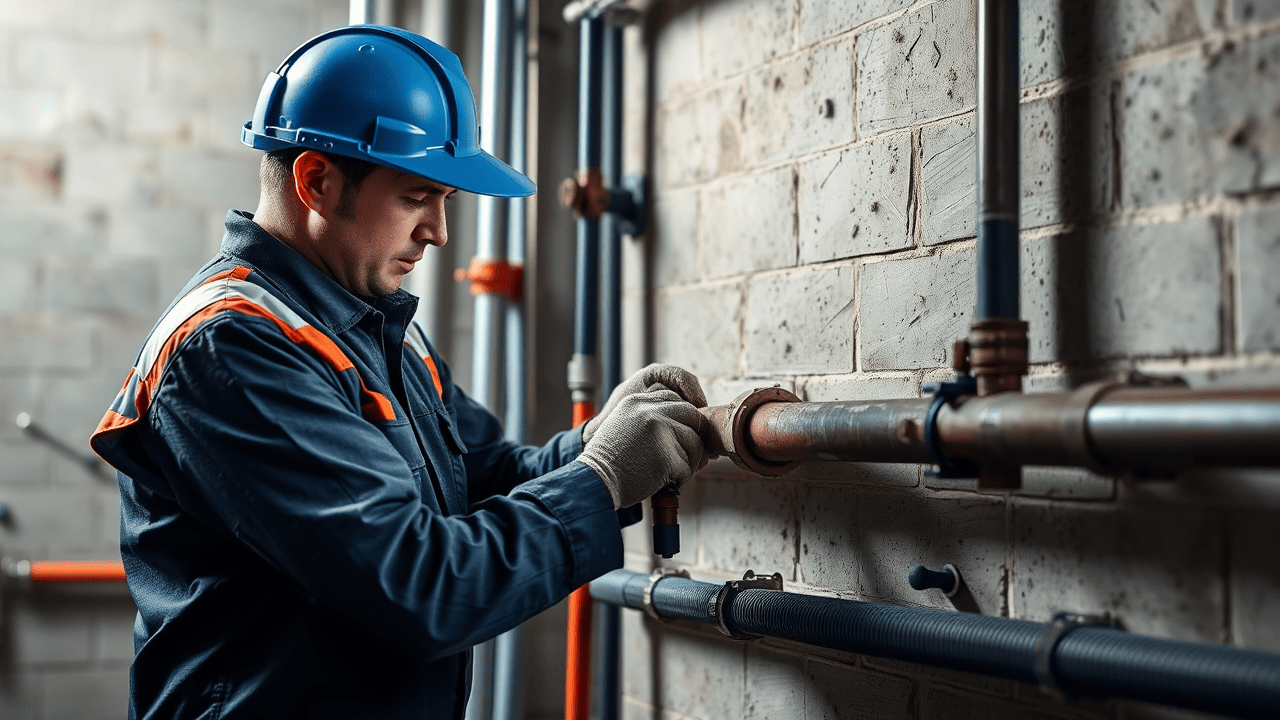
When replacing damaged pipes, the first step involves locating the damaged section. This often requires careful inspection to identify leaks or weaknesses. Once the damaged area is pinpointed, the plumber prepares to remove it, ensuring that the water supply is shut off to prevent any accidents. Safety gear is essential during this process to protect against sharp tools and existing debris. After the damaged pipe is cut out, the plumber measures and cuts a new piece to fit the existing plumbing layout.
Next, the plumber focuses on securing the new pipe in place. This usually involves cleaning the edges and applying fittings or connectors to ensure a tight seal. After the new pipe is installed, the plumber carefully checks for leaks and tests the water flow. Proper disposal of the old pipe materials is also crucial. For those seeking assistance, searching for "pipe installation and repair near me" can help find local professionals equipped to handle such tasks efficiently.
Insulating Pipes to Prevent Damage
Insulating pipes is a crucial step in preventing damage, especially in areas where temperatures can drop significantly. Proper insulation helps maintain stable water temperatures, reducing the risk of pipes freezing during colder months. Insulation materials like foam sleeves or fiberglass wraps can be easily applied to both hot and cold water pipes. This additional layer not only protects the pipes from extreme temperatures but also improves energy efficiency by reducing heat loss.
When considering insulation, homeowners should take into account the specific areas where pipes are located, such as basements or crawl spaces. These spots are typically more susceptible to temperature fluctuations. If you're unsure about the best insulation method or need help with the installation process, searching for “pipe installation and repair near me” can connect you with local professionals who can assist in safeguarding your plumbing system.
Importance of Proper Pipe Insulation
Proper insulation of pipes is crucial in maintaining a well-functioning plumbing system under a house. Insulation not only protects pipes from extreme temperature fluctuations but also helps reduce energy costs. When pipes are insulated, they are less likely to freeze during cold weather, which can lead to costly damages and repairs. Homeowners benefit from a reliable plumbing system when insulation is prioritized, as it preserves the integrity of both hot and cold water supply lines.
In addition, insulated pipes are less prone to condensation, which can contribute to mold growth and water damage in crawl spaces or basements. By investing in quality insulation materials and ensuring proper installation techniques are followed, homeowners can prevent many common plumbing issues. Regular maintenance and periodic inspections can help identify vulnerabilities. If assistance is needed, searching for "pipe installation and repair near me" can connect homeowners with professionals who specialize in these services.
Preventative Maintenance for Plumbing Systems
Regular maintenance of plumbing systems can extend the life of pipes and prevent costly repairs. Homeowners should periodically inspect for leaks, corrosion, and signs of wear. Simple precautions like avoiding the disposal of grease down the drain and using strainers can prevent clogs. Additionally, checking water pressure throughout the house helps identify potential problems early.
If issues are detected, seeking professional help is essential. Searching for "pipe installation and repair near me" can lead to qualified plumbers who can provide necessary services. This proactive approach not only protects the plumbing system but also enhances overall home efficiency. Regular maintenance helps homeowners avoid unexpected disruptions and manage repair costs effectively.
Tips for Keeping Pipes in Good Condition
Regular maintenance is essential for keeping plumbing systems in top shape. Simple practices can make a significant difference in extending the lifespan of pipes. Homeowners should consistently check for leaks and damp spots around the house. Even minor leaks can escalate into major issues if left unaddressed. It's also wise to inspect the water pressure. High pressure can strain pipes, leading to cracks or bursts in the long run.
When it comes to preventative measures, consider seasonal inspections to catch any potential problems early. Insulating pipes in areas prone to freezing is vital, especially in colder climates. Homeowners can also benefit from researching “pipe installation and repair near me” for professional help. Having a trusted plumber on standby ensures quick fixes and maintenance, creating a more reliable plumbing system. Proper upkeep keeps pipes functioning efficiently and reduces the risk of costly repairs.
FAQS
What are the common signs that indicate a pipe is damaged under the house?
Common signs of damaged pipes include water stains on ceilings or walls, damp or soft spots on floors, low water pressure, and unusual sounds like gurgling or hissing.
How do plumbers access pipes located under a house?
Plumbers typically access pipes under a house by going into the crawl space or basement. They may need to remove insulation or other materials to reach the affected area.
What steps do plumbers take to replace damaged pipes?
Plumbers usually follow these steps to replace damaged pipes: identify the damaged section, cut out the damaged pipe, measure and cut a new pipe segment, and securely connect the new pipe with fittings and sealant before testing for leaks.
Why is insulating pipes important?
Insulating pipes is important because it helps prevent freezing in cold weather, reduces condensation in warmer climates, and can improve energy efficiency, ultimately extending the lifespan of the plumbing system.
What are some preventative maintenance tips for keeping pipes in good condition?
Preventative maintenance tips include regularly checking for leaks, insulating exposed pipes, maintaining consistent temperatures in your home, and scheduling routine plumbing inspections with a professional.