Signs You Need to Repair Your Pipes
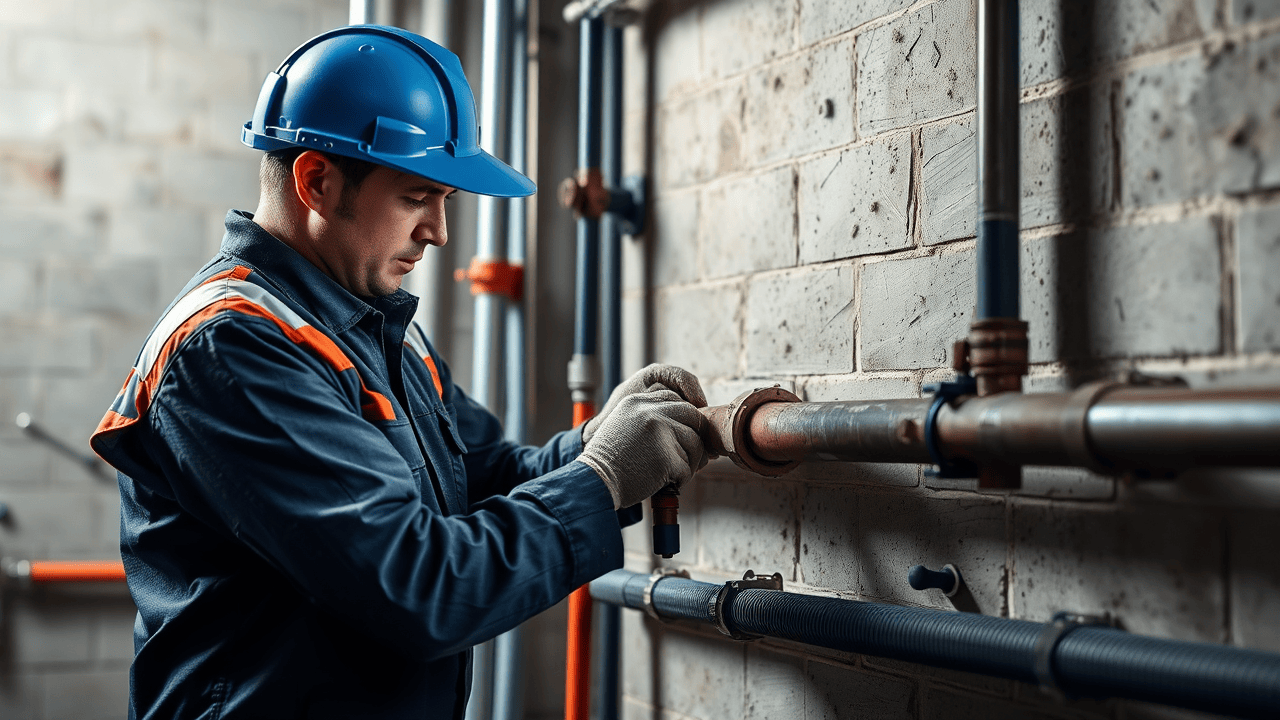
Recognizing the signs that indicate the need for pipe installation and repair is crucial for maintaining a healthy plumbing system. Look for persistent leaks around fixtures or unusual damp spots on walls and ceilings. These may signal a more serious underlying problem such as corrosion or a break in the pipe. Unpleasant odors can also be a warning sign. Foul smells might stem from sewage backup or stagnation in the pipes.
Another indicator is fluctuating water pressure. If the flow of water seems inconsistent or weak, this could suggest blockages or leaks within the pipes. Additionally, an increase in your water bill without any changes in usage should raise concerns. It may indicate hidden leaks that need immediate attention. Staying vigilant about these signs can save homeowners from costly repairs down the line.
Warning Indicators of Pipe Issues
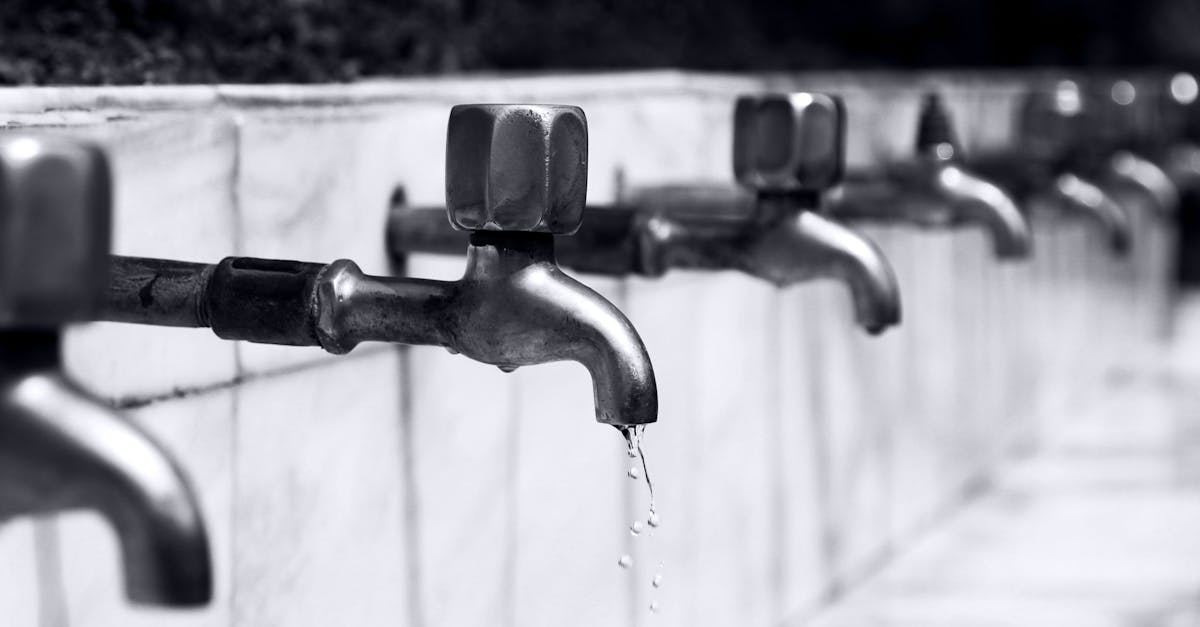
Unusual signs around your home can indicate impending pipe issues. Dripping faucets or slow drains often suggest a blockage or leak. Additionally, water stains on walls or ceilings may indicate hidden leaks in your plumbing system. Homeowners should not ignore these red flags as they can lead to more significant problems if left unaddressed.
Pipe installation and repair are crucial when these warning signs emerge. A sudden increase in your water bill can signal a hidden leak. Mold or mildew growth in areas near pipes is another telltale sign that should prompt immediate action. Taking these indicators seriously helps prevent costly repairs and ensures a well-functioning plumbing system.
Preventative Measures for Pipe Maintenance
Regular maintenance of pipes is essential for preventing costly repairs down the line. Homeowners should routinely inspect visible pipes for any signs of corrosion or leaks. Scheduling annual professional inspections can help catch problems early. Additionally, ensuring that insulation is adequate, especially in colder climates, can prevent pipes from freezing and bursting during extreme temperatures. Properly maintaining drainage systems also minimizes the risk of clogs and backups.
Pipe installation and repair should not be taken lightly. Implementing preventative measures such as installing water softeners can reduce mineral buildup, which can harm pipes over time. Homeowners should also be mindful of what goes down their drains. Educating all household members about what is safe to flush or pour down the sink is crucial in avoiding potential blockages. Taking these steps can significantly extend the lifespan of plumbing systems.
Routine Checks to Avoid Major Repairs
Regular inspections of your plumbing system can help catch issues before they escalate. Homeowners should periodically check for leaks under sinks, around toilets, and at exposed pipes in basements or crawl spaces. Droplets of water or damp spots can indicate a developing problem. Listening for unusual sounds like dripping or banging also provides clues. Taking time to examine these areas can prevent more significant plumbing emergencies down the line.
Maintaining a consistent schedule for pipe installation and repair is essential in safeguarding your home’s plumbing health. Flushing your system annually can clear out debris and prevent buildup. Testing your water pressure can reveal hidden problems, while checking for signs of corrosion ensures that your pipes remain in good condition. Engaging a professional for a thorough evaluation further safeguards against unexpected failures, preserving both your plumbing and peace of mind.
Environmental Impact of Pipe Repair
Pipe installation and repair can have significant environmental implications. When pipes leak or break, they can lead to water wastage. This not only affects local water supplies but can also disrupt ecosystems that depend on consistent water flow. Additionally, the materials used in both the installation and repair processes often have a carbon footprint. Choosing durable and sustainable materials plays a role in mitigating these impacts.
The energy consumption involved in manufacturing and transporting plumbing materials contributes to greenhouse gas emissions. Employing innovative technologies during pipe installation and repair can help reduce energy use. Some plumbers now utilize trenchless technology, which minimizes land disturbance and reduces the environmental footprint of traditional repair methods. Adopting sustainable practices in plumbing helps address the broader environmental challenges associated with water infrastructure.
Sustainable Practices in Plumbing
Sustainable practices in plumbing focus on minimizing environmental impacts while ensuring efficient systems. Pipe installation and repair can greatly benefit from using eco-friendly materials. Options like PEX and copper reduce the risk of chemical leaching and ensure longevity, which leads to less frequent replacements. These materials often have a lower carbon footprint than traditional choices, contributing to sustainability over the long term.
Additionally, incorporating water-saving technologies during pipe installation is crucial. Features such as low-flow fixtures and leak detection systems help to conserve water while maintaining functionality. By prioritizing energy-efficient methods and materials in pipe installation and repair, professionals can play a significant role in fostering a more sustainable environment.
FAQS
What is the term used for fixing pipes?
The process of fixing pipes is commonly referred to as "pipe repair" or "plumbing repair."
What are some signs that I need to repair my pipes?
Signs you may need to repair your pipes include leaks, low water pressure, discolored water, or unusual noises such as clanging or gurgling.
How can I prevent major pipe repairs?
To prevent major pipe repairs, conduct routine checks, maintain proper drainage, and schedule regular plumbing inspections.
What environmental impacts can pipe repairs have?
Pipe repairs can have environmental impacts such as water conservation, reduced waste from leaking pipes, and the potential for less contamination of groundwater.
Are there sustainable practices I can follow for plumbing?
Yes, sustainable practices in plumbing include using eco-friendly materials, opting for low-flow fixtures, and ensuring that repairs are made with minimal disruption to the environment.