Choosing a Qualified Pipe Fitting Service
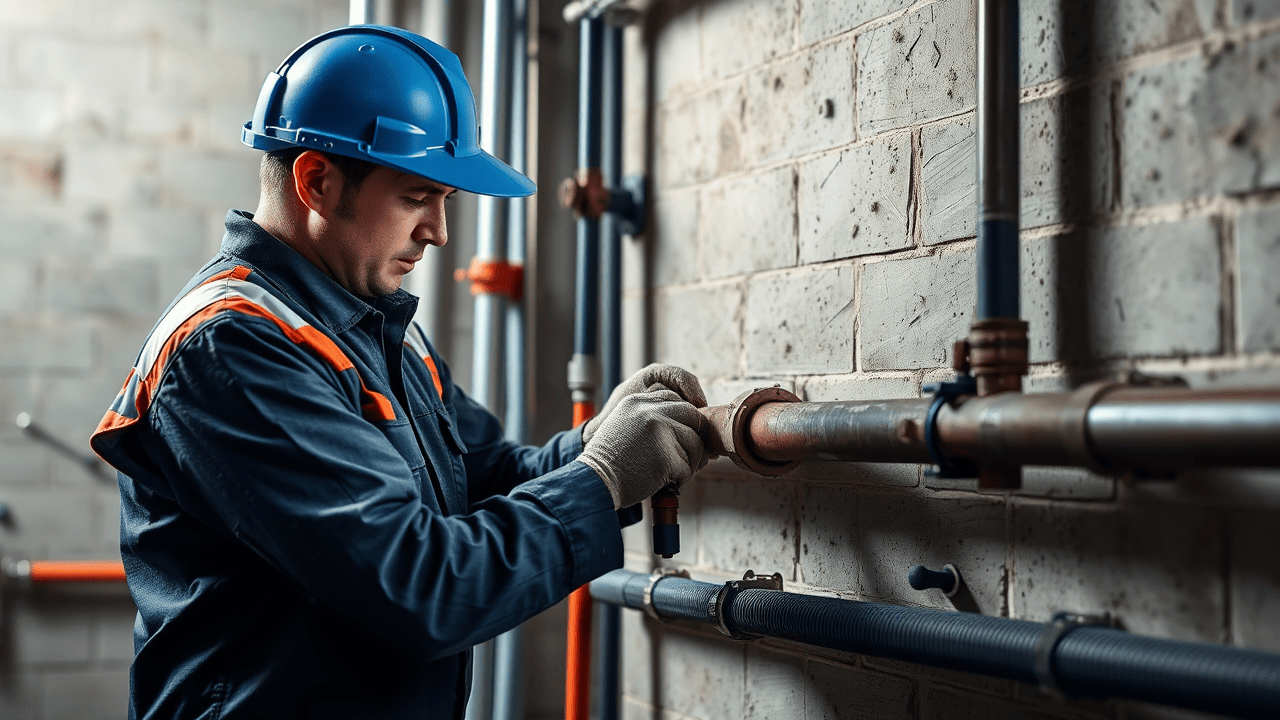
Selecting a qualified pipe fitting service requires careful consideration of various factors. Experience and reputation are crucial elements to evaluate. Often, customer reviews and testimonials can provide insights into the reliability and quality of out, making it easier to gauge potential candidates. Additionally, asking for referrals from friends or professionals within the industry can lead to discovering trustworthy services that specialize in specific needs.
When it comes to pipe installation and repair in residential or commercial settings, it is essential to ensure the service provider has the necessary credentials and training. Licensing is a critical aspect, as it reflects adherence to local regulations and industry standards. Ensuring that a pipe fitting service employs certified professionals can also provide peace of mind, knowing that the work will meet quality benchmarks and safety requirements.
Factors to Consider
When selecting a pipe fitting service, it is important to consider the company's reputation and experience. Look for reviews and testimonials from previous clients, as they offer insight into the quality of service provided. Established businesses often have a proven track record, indicating their reliability and expertise. Ensuring that the service specializes in the specific type of piping you need is crucial. Pipe installation and repair in specialized systems may require distinct knowledge and skills.
Another factor to consider is the availability of trained professionals and their certifications. Qualified pipe fitters should possess relevant credentials that demonstrate their competency in handling various types of projects. In addition to certifications, inquire about the tools and techniques the service employs. This information can help assess whether the team is equipped to manage your specific pipe installation and repair in the most efficient and effective manner.
Training and Certification for Pipe Fitters
Training and certification are vital components for those seeking a career in pipe fitting. Various institutions offer programs designed to equip students with the necessary skills. Coursework often covers fundamental principles of water and gas systems, along with hands-on training. Aspiring pipe fitters benefit from learning about tools, materials, and safety procedures essential for successful installations.
In the United States, many employers prefer candidates who have completed recognized certifications. Organizations like the National Center for Construction Education and Research (NCCER) provide accreditation that enhances a professional’s credibility. Additionally, apprenticeships serve as a practical pathway for gaining experience alongside seasoned experts. Pipe installation and repair in commercial and residential settings requires not only technical skills but also an understanding of industry standards.
Educational Paths and Requirements
A career in pipe fitting typically begins with a high school diploma or equivalent. Many aspiring pipe fitters choose to enroll in vocational schools or community colleges, where they receive targeted training in plumbing and pipe installation. These programs often cover essential topics such as blueprint reading, piping systems, and safety regulations. Practical experience gained through internships or apprenticeships is crucial, as it allows individuals to apply theoretical knowledge in real-world settings.
In addition to formal education, obtaining certifications can significantly enhance a pipe fitter's employability. Various organizations offer specialized training programs that focus on pipe installation and repair in residential and commercial settings. Completion of these programs not only demonstrates a commitment to the trade but also equips individuals with the skills necessary to tackle complex plumbing projects effectively. Certifications are often viewed favorably by employers, making them a valuable asset in a competitive job market.
Costs Associated with Pipe Fitting
Costs associated with pipe fitting can vary significantly based on several factors, including the complexity of the job and the type of materials used. Pipe installation and repair in residential properties generally sees a different pricing structure compared to commercial projects. Specialized jobs often come at a premium due to the need for specific expertise or tools. Customers should prepare for unexpected expenses that may arise during a project, such as the need for additional materials or modifications.
When seeking estimates from pipe fitters, it’s advisable to request detailed breakdowns of labor, materials, and additional overhead costs. Comparing multiple quotes helps clients gain a better understanding of market rates. Transparency in pricing can indicate the reliability of a service provider, ensuring that clients are not blindsided by hidden charges. Additionally, some companies might offer package deals or preventive maintenance plans to help clients manage long-term costs associated with pipe installation and repair in their properties.
Pricing Structures and Estimates
Pricing structures for pipe fitting services can vary significantly based on several factors such as the complexity of the job, the materials used, and regional labor costs. Homeowners might encounter flat fees for standard services like installations or repairs. More intricate projects may necessitate hourly rates, which can lead to varying costs depending on the time taken to complete the work.
Estimates are often provided after a thorough assessment of the work needed. Pipe installation and repair in residential areas may also have location-based variations influencing prices. Obtaining multiple quotes can help ensure that clients receive competitive rates while also allowing them to gauge the quality of service offered by different professionals.
FAQS
What does a pipe fitter do?
A pipe fitter is responsible for installing, repairing, and maintaining piping systems that transport fluids, gases, and other materials. They work in various settings, including residential, commercial, and industrial environments.
How do I choose a qualified pipe fitting service?
When selecting a pipe fitting service, consider their experience, certifications, customer reviews, and whether they offer warranties on their work. It's also important to verify that they are licensed and insured.
What training and certifications do pipe fitters need?
Pipe fitters typically undergo a combination of classroom instruction and hands-on training through apprenticeships. Certifications may vary by state but often include completion of a recognized apprenticeship program and passing a certification exam.
What factors influence the cost of pipe fitting services?
Factors that can influence the cost of pipe fitting services include the complexity of the job, materials used, labor costs, geographic location, and the urgency of the service required.
How can I get an estimate for pipe fitting services?
To obtain an estimate for pipe fitting services, contact multiple qualified contractors to discuss your project. They will typically assess the work needed and provide a written estimate based on the specifics of the job.